A few years ago, I went to visit someone I was dating at his place. He wanted us to hang out there before heading out.
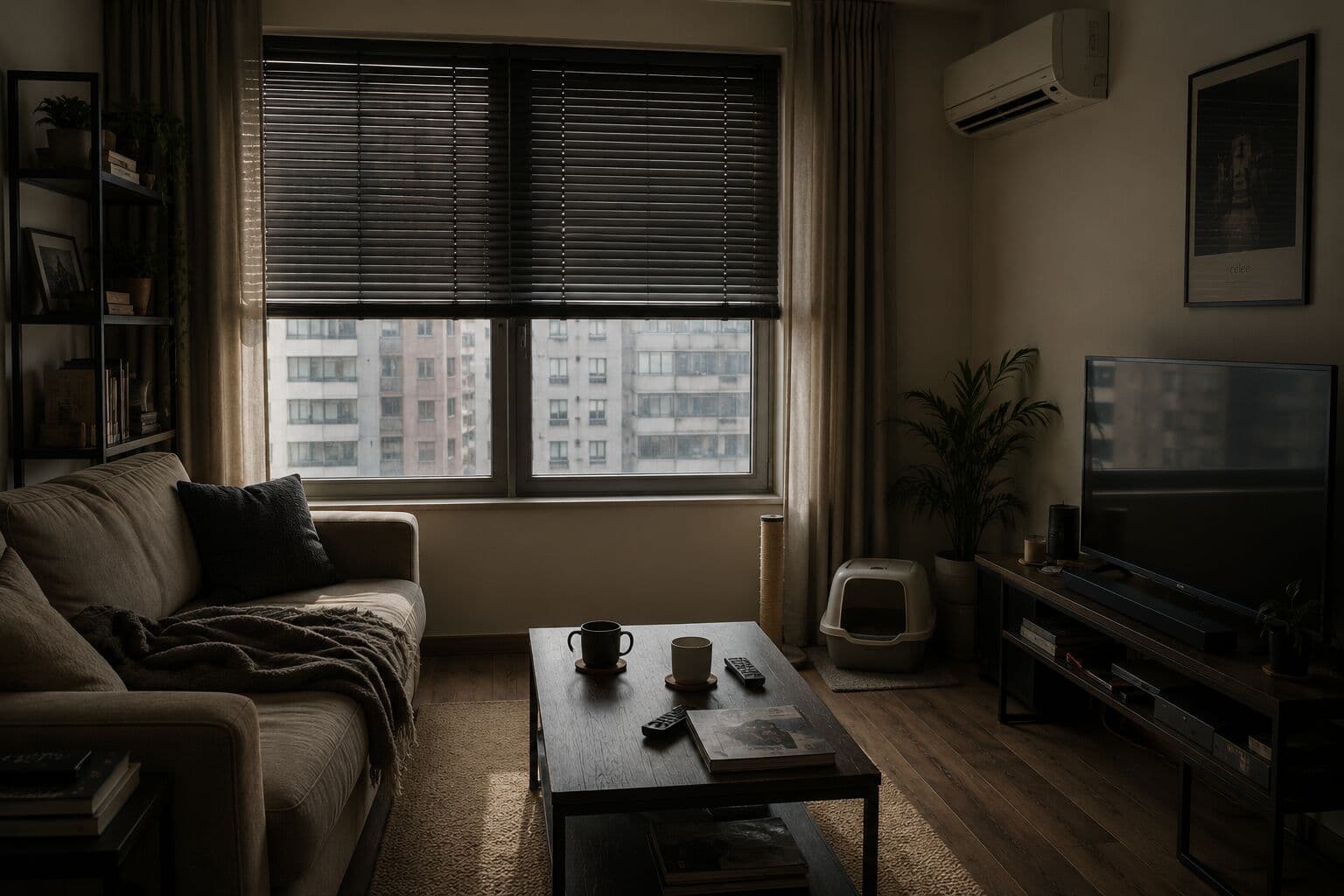
The moment I stepped inside, I felt it — that unmistakable heaviness in the air. The apartment was dark, even though it was still early evening. The windows were shut tight. The air-conditioner was running on full blast, yet the space felt damp and stagnant. There was a distinct smell of cat that lingered in every corner. Nothing was overtly dirty, but the entire home felt closed off, unhygienic, and strangely insecure.
I tried to relax. I really did. But my nervous system stayed on high alert the entire time. I couldn't focus on the conversation. All I could register was the discomfort of the space around me.
I left that evening without ever truly feeling comfortable.
It wasn't about the person. He seemed perfectly nice. But the environment itself made it impossible for me to be present or open to connection.
I've since remembered similar moments in other homes. Just imagine walking into a space that already feels heavy and stagnant, and then noticing that additional stale, clinging smell of cigarette smoke in the air. Even someone who believes they only smoke outdoors often doesn't realise how the odour still travels on clothes, hair, and breath, quietly filling the home and making the entire space feel even more oppressive.
As an architect who studies how environments shape human experience, I've seen this pattern many times. A home that feels stagnant, dark, poorly ventilated, and carries lingering odours doesn't just look uninviting — it actively communicates unease. It tells your body that something isn't quite right.
This is exactly why I do the work I do. Whether I'm redesigning a bedroom, a living room, or simply helping someone understand why their home doesn't feel right, I always come back to the same truth: the environment is never neutral. It is always speaking.
If you've ever walked into a space and immediately felt uneasy, drained, or unable to be yourself — even when the person inside was perfectly kind — you know exactly what I'm talking about.
Moments like these are what led me to create Lucy. She helps me — and now others — see our spaces through fresh eyes and gently uncover what might be quietly affecting how we feel inside them.
Just say hello to Lucy whenever you're ready.