If you’ve ever been on both an outdoor and an indoor date, you’ve probably noticed the difference. Outdoor dates often feel lighter, more relaxed, and easier to connect in. Indoor dates, especially at home or in small enclosed spaces, can sometimes feel more awkward, pressured, or flat — even when both people like each other.
This isn’t just a coincidence. There are psychological and environmental reasons why outdoor settings tend to create better conditions for connection.
Why Outdoor Environments Often Work Better
Being outdoors has several natural advantages that support positive social interactions:
-
Reduced pressure and social anxiety: Walking side by side outdoors feels less intense than sitting face-to-face across a table. Research on social interaction shows that side-by-side movement lowers self-consciousness and makes conversation flow more naturally (as opposed to direct, sustained eye contact in enclosed spaces).
-
Positive mood enhancement: Exposure to natural environments has been consistently linked to reduced stress and improved mood. A well-known study by Ulrich (1984) found that even brief exposure to natural settings can lower physiological stress responses. More recent research continues to show that time spent in nature is associated with lower anxiety and higher emotional wellbeing (White et al., 2019).
-
Changing stimuli and shared experiences: The shifting scenery, fresh air, natural light, and ambient sounds create a dynamic, engaging backdrop. This gives both people something external to respond to, which reduces awkward silences and creates natural talking points.
-
Psychological spaciousness: Open outdoor spaces feel less confining. Enclosed indoor environments can sometimes heighten feelings of social pressure, especially during the early stages of dating when both people are still assessing comfort and compatibility.
These factors combined often make outdoor dates feel more positive and less stressful by default.
Why Most Indoor Spaces Fall Short
The problem is that most homes and indoor environments are not designed with social connection or emotional ease in mind. They are usually optimised for function, storage, or aesthetics — not for creating a relaxed, positive atmosphere that supports meaningful interaction.
Small, enclosed living rooms, harsh lighting, cluttered surfaces, lack of natural elements, and seating arrangements that force face-to-face positioning can unintentionally create tension rather than ease. When the environment feels closed-in or overstimulating, it can amplify social awkwardness instead of softening it.
How Thoughtful Interior Design Can Help
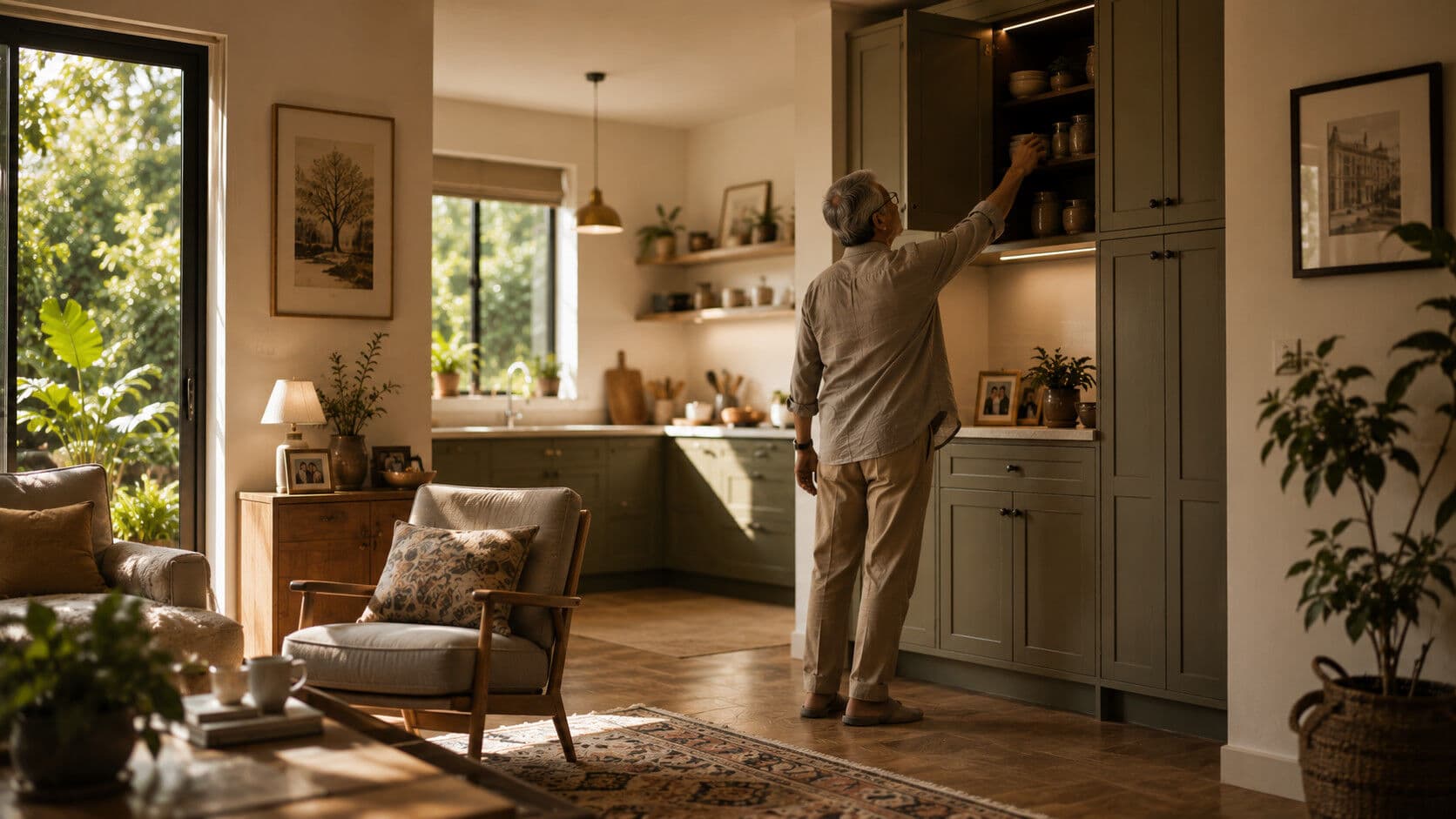
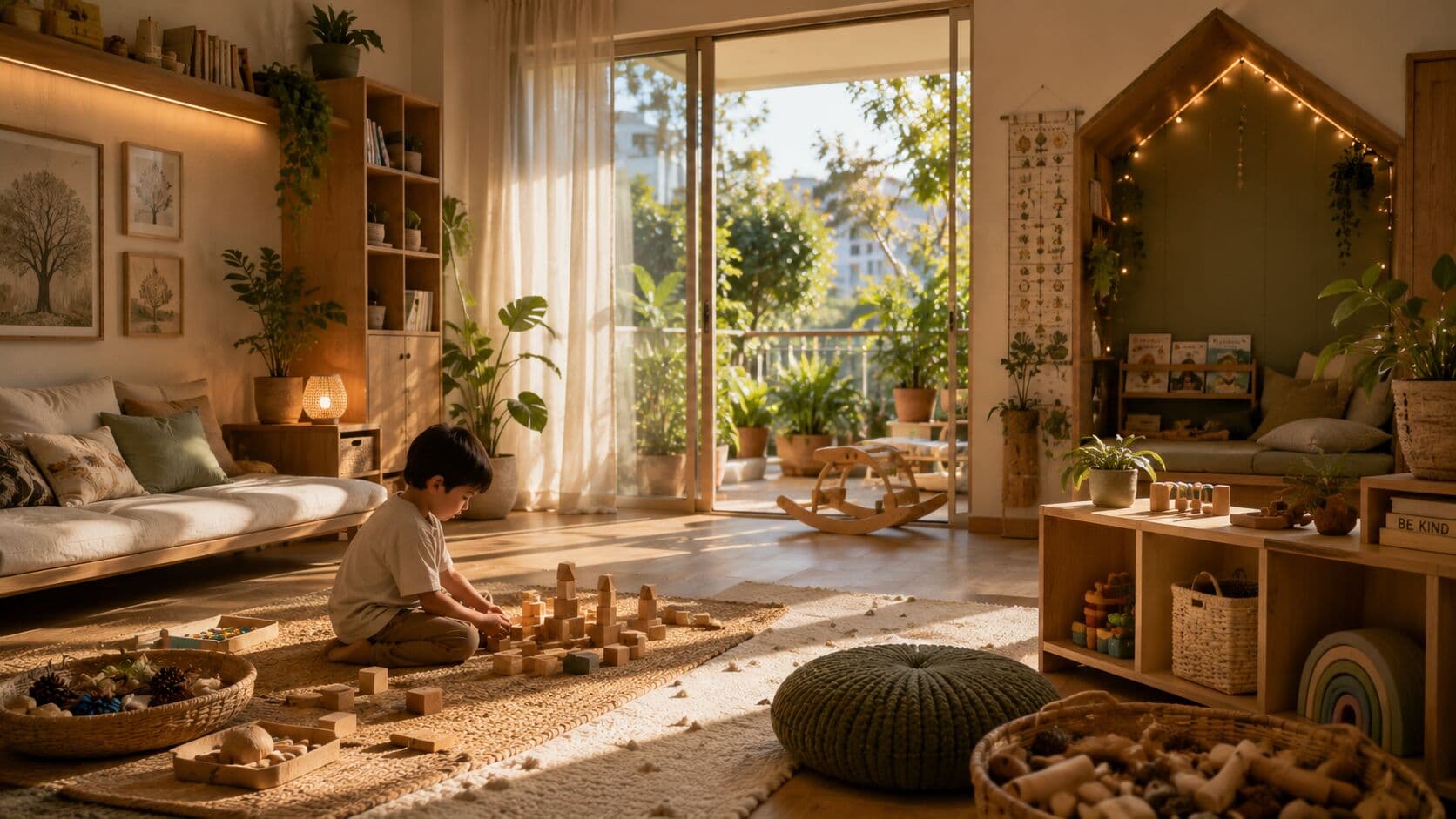
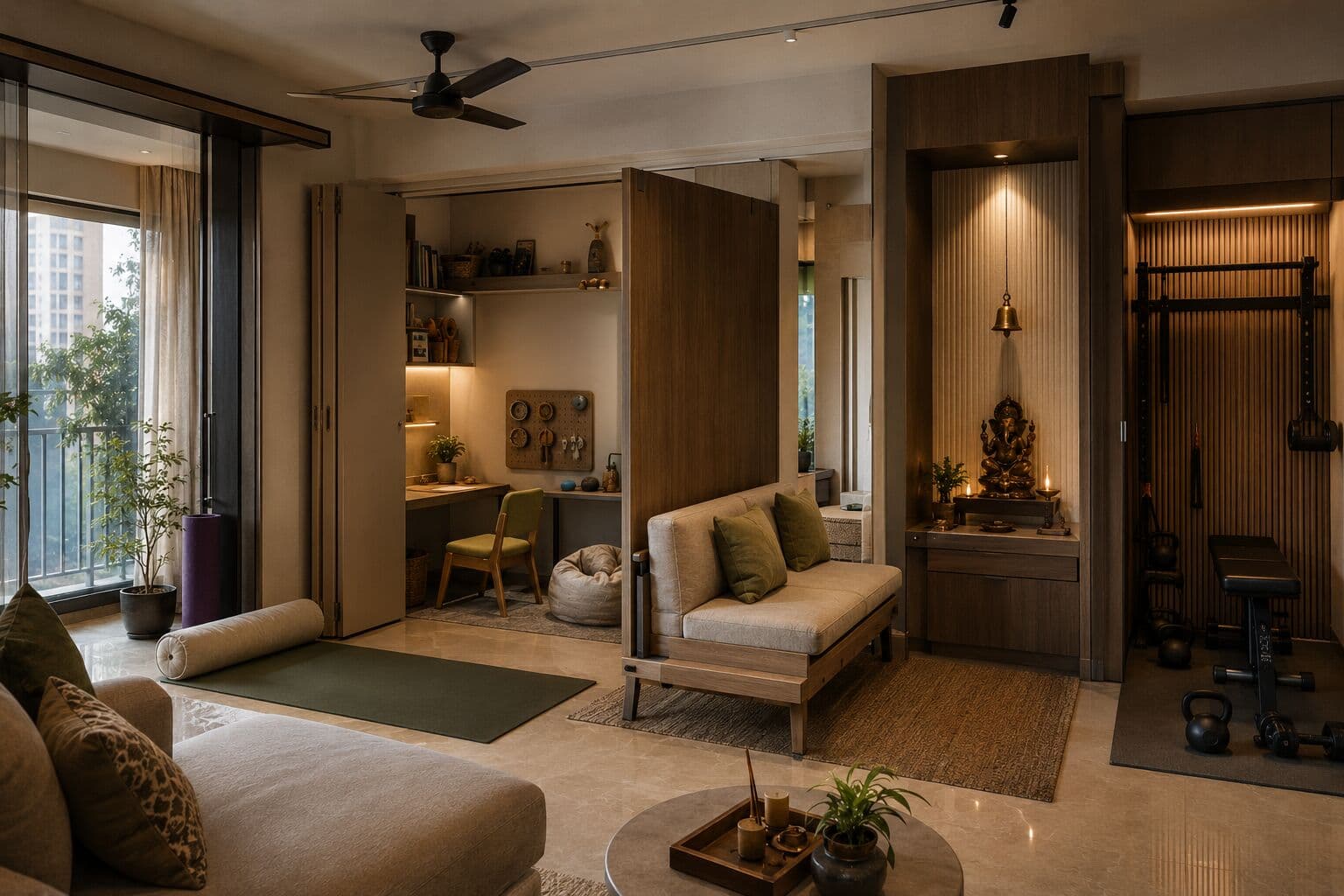
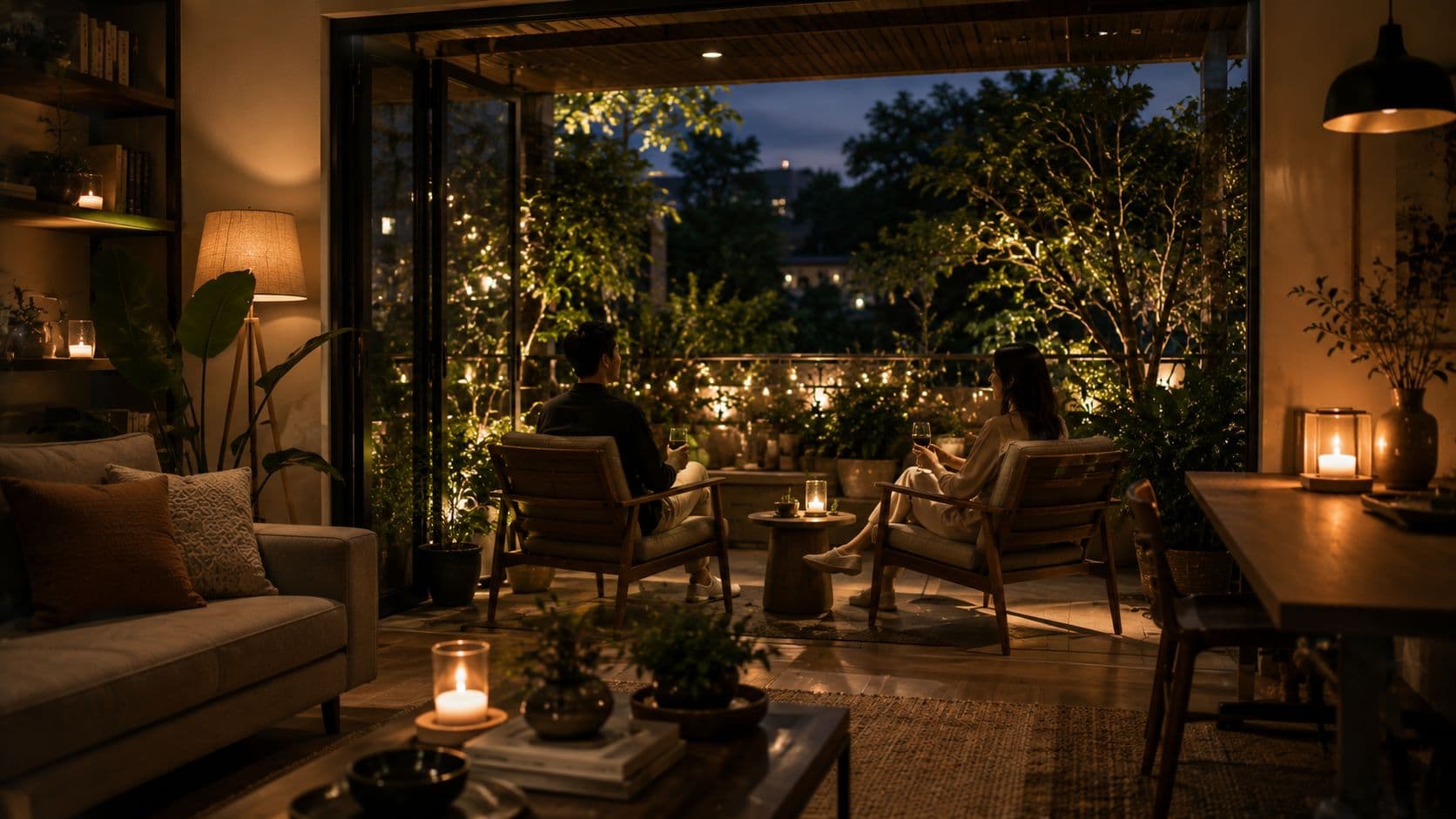
The good news is that many of the psychological benefits of outdoor environments can be thoughtfully recreated indoors. Spaces that feel open, calming, and gently stimulating can support better social interactions — including dates.
This is where design becomes powerful. Elements such as:
- Layered, warm lighting instead of harsh overhead lights
- Natural materials and biophilic elements (plants, wood, views of greenery)
- Comfortable, flexible seating that doesn’t force intense eye contact
- Thoughtful spatial flow and a sense of openness
- Reduced visual clutter
…can significantly shift how a space feels during social interactions.
How Lucy Can Help
Lucy was designed to understand not just how a space looks, but how it feels to the people using it.
As your design assistant, she can analyse your current home environment and suggest practical changes that make it more conducive to relaxed, positive interactions. Whether it’s reconfiguring seating, improving lighting, introducing natural elements, or creating a better sense of openness and calm, Lucy focuses on how the space can support emotional ease — especially during moments when connection matters.
Your home doesn’t have to compete with nature. But with the right design approach, it can stop working against connection and start quietly supporting it.
If you’ve ever felt that your space doesn’t quite create the right atmosphere for meaningful interactions, Lucy can help you understand what’s missing and how to improve it.
Key References
- Ulrich, R.S. (1984). View through a window may influence recovery from surgery. Science.
- White, M.P., et al. (2019). Spending at least 120 minutes a week in nature is associated with good health and wellbeing. Scientific Reports.
- Biswas, A., et al. (2015). Sedentary time and its association with risk for disease incidence, mortality, and hospitalization in adults. Annals of Internal Medicine.
- Ekelund, U., et al. (2016). Physical activity and all-cause mortality across levels of overall and abdominal adiposity. The American Journal of Clinical Nutrition.