Breathing-related health issues are becoming increasingly common in Tier-1 cities. Recent studies show that in many urban Indian households, up to 61% of children experience at least one respiratory symptom (such as nasal congestion, cough, wheezing or shortness of breath) linked to poor indoor air quality, while millions of adults report persistent allergies, asthma flare-ups, frequent headaches, fatigue, and reduced lung capacity — even among those who exercise regularly and eat well.
Recent studies conducted in major Indian cities including Delhi, Mumbai, Bengaluru, and Mysore have shown that indoor air quality in many urban homes can be as poor as — or even worse than — the outdoor pollution levels people worry about, especially in poorly ventilated spaces where outdoor pollutants infiltrate and indoor sources accumulate (Vijay et al., Atmospheric Environment, 2025).
The problem is not always obvious. Modern homes use synthetic upholstery, low-VOC but still chemical-heavy paints, sealed windows for AC efficiency, and minimal natural ventilation.
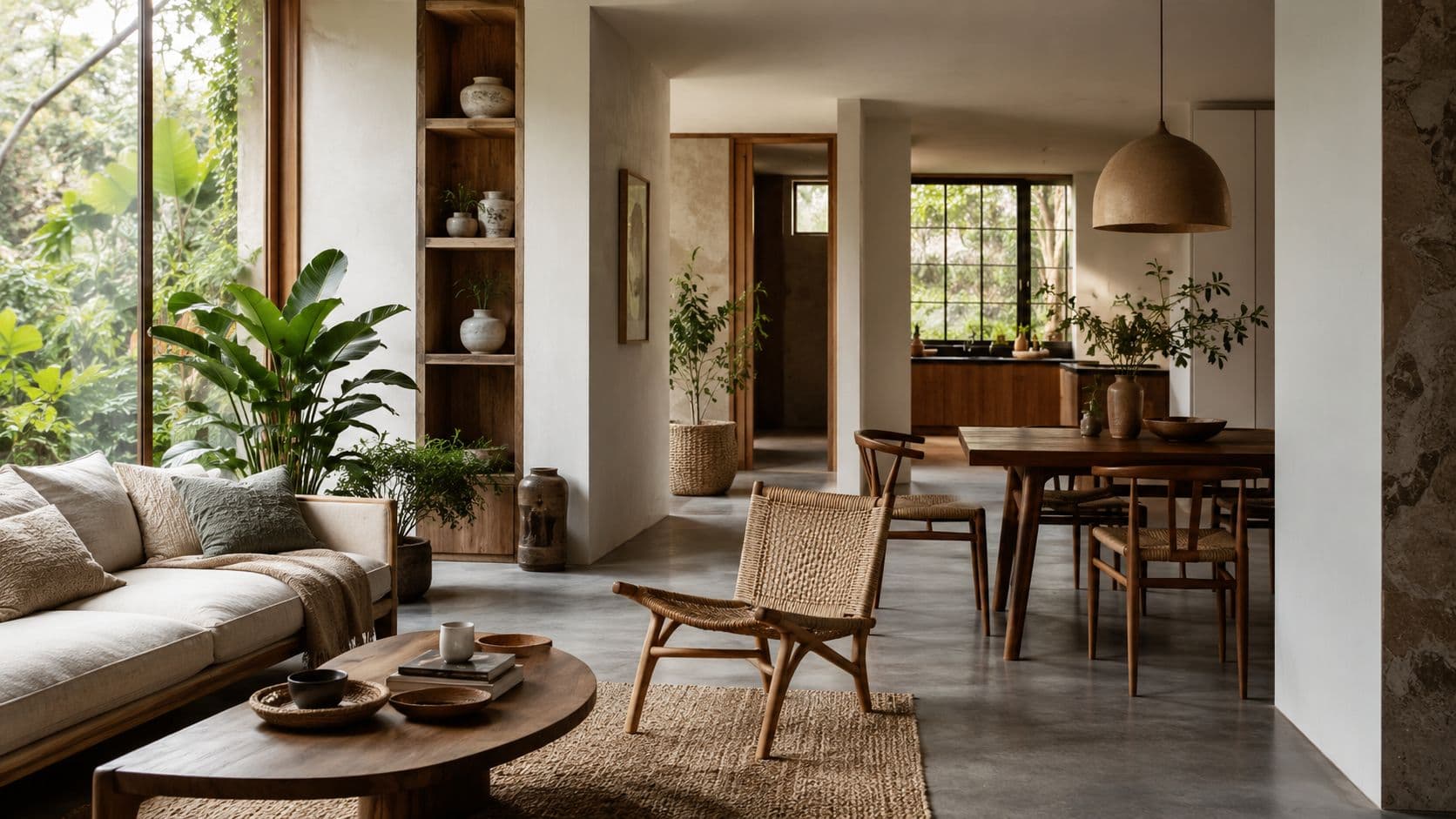
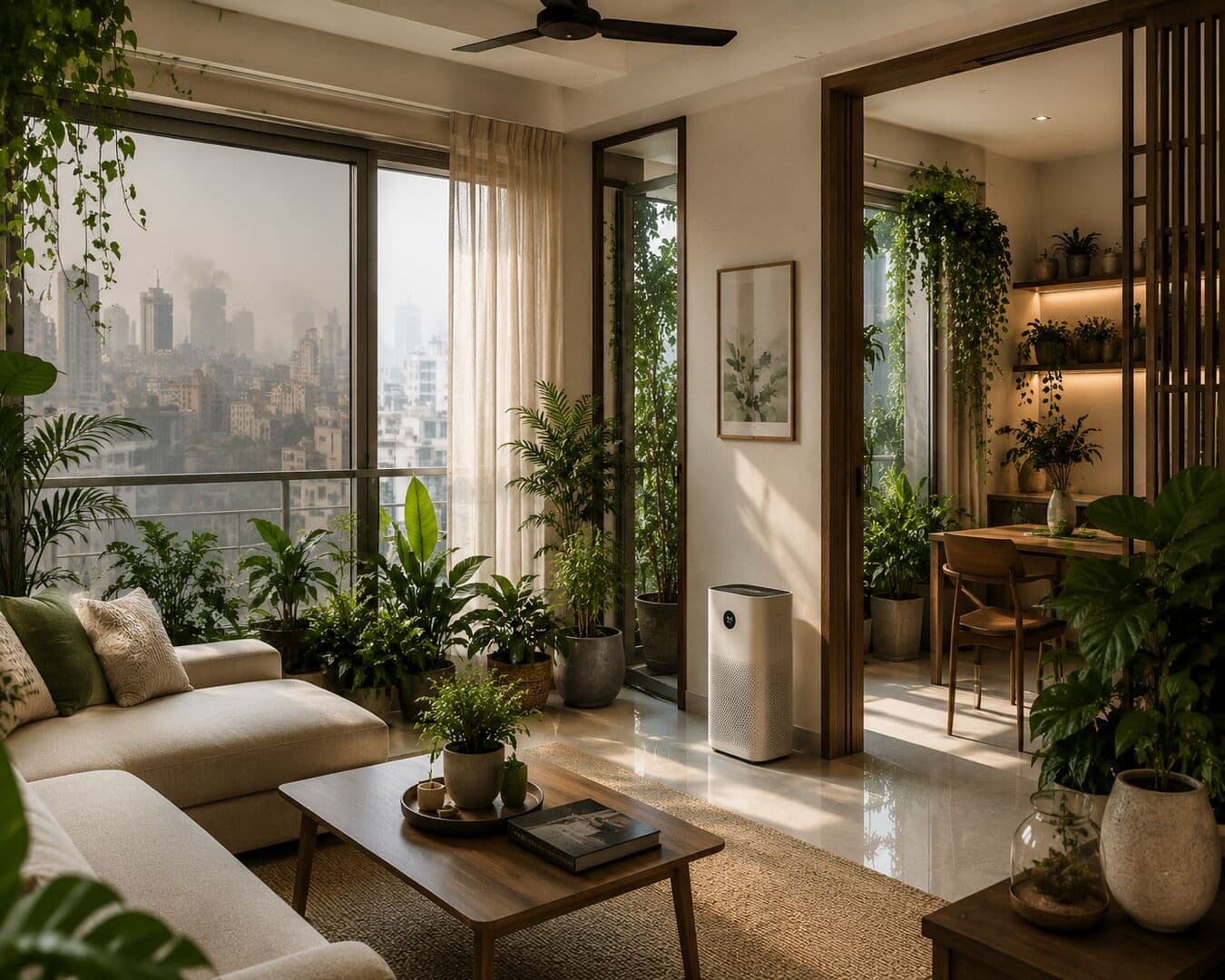
Many families turn to electronic air purifiers for quick relief. These machines can rapidly reduce particulate matter and allergens, offering immediate comfort in heavily polluted areas. However, they come with recurring costs for filter replacements, consume electricity, produce some noise, and only address a limited range of pollutants if not regularly maintained. On the other hand, natural solutions — such as well-placed plant companions, improved airflow design, and biophilic elements — provide longer-term benefits. They help regulate humidity, gently filter air, add oxygen and reduce CO₂ levels, and support overall psychological well-being with minimal ongoing energy cost, though they do require regular care and maintenance.
Our founder Nikita has personally experienced the power of this natural approach. In the past year, Mumbai repeatedly saw outdoor AQI levels cross 400 during peak pollution and construction seasons. Yet in her own small Mumbai home, she has consistently maintained an average indoor AQI of around 40 during those very months. This remarkable difference comes from thoughtful biophilic design, strategic plant placement, and intelligent airflow — proving that significant improvements are possible even in challenging urban conditions.
Seeing this contrast in her own space, and witnessing too many families face the same invisible struggles with indoor air quality, led her to create Lucy. Lucy was trained specifically to analyse a home's unique materials, layout, and daily habits, then suggest practical ways to improve indoor air quality without major renovations. She helps strike the right balance between natural and electronic solutions so families can enjoy maximal health benefits with minimal maintenance.
The result is not just cleaner air, but a home that supports long-term physiological and psychological well-being with minimal ongoing maintenance.
If you've been experiencing unexplained breathing discomfort, fatigue, or allergies that seem to worsen when you're indoors, the solution may lie in how your home is designed rather than in another medical test.
For those who would like to handle their interiors themselves, Lucy lays out clear, practical design details that they can implement on their own. Just say hello to Lucy whenever you're ready.