Walk into almost any urban home in India today and you'll notice the same quiet habit: the windows and doors are almost always kept shut.
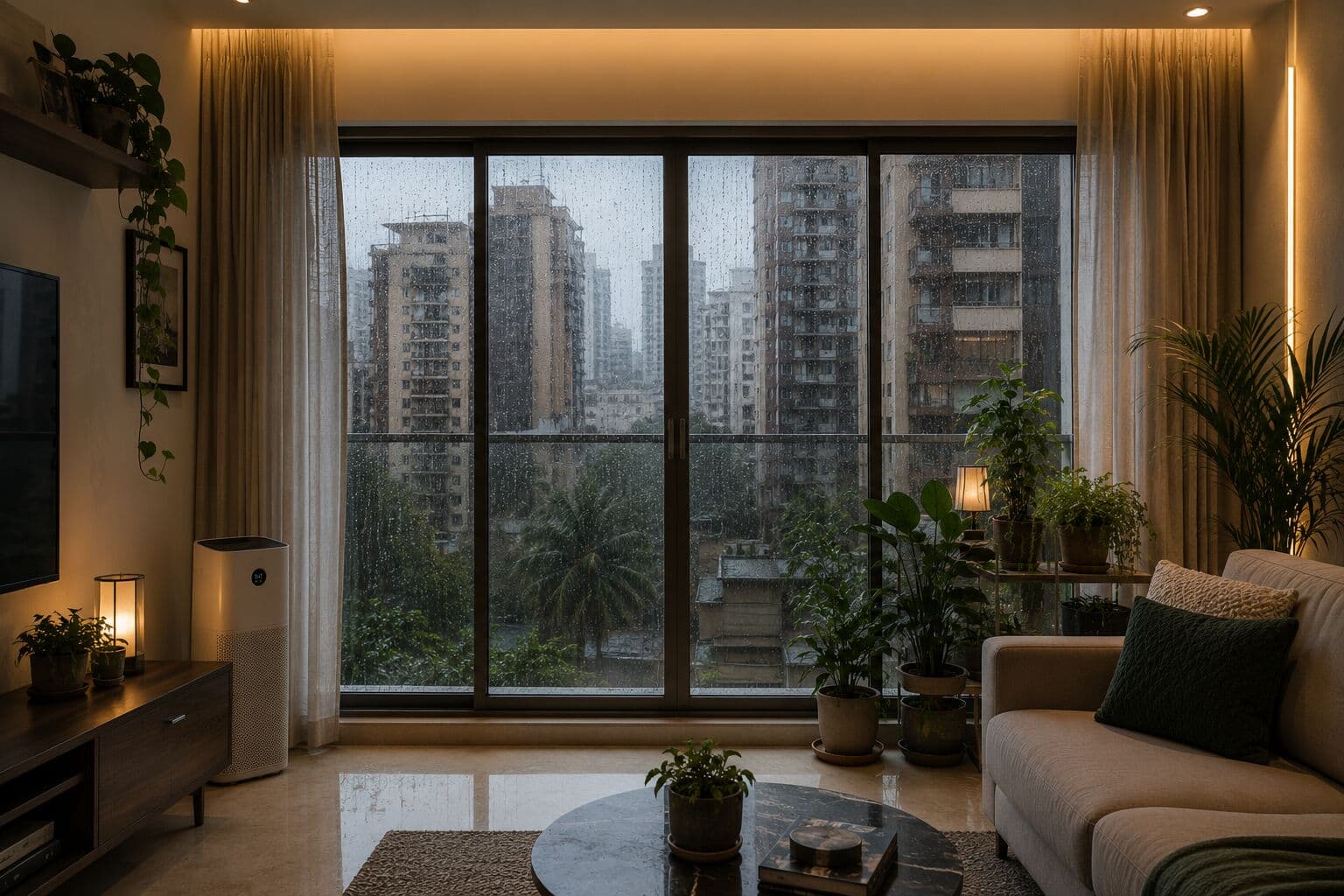
In Mumbai, it's the relentless heat and humidity combined with monsoon rains. In Delhi, it's the thick blanket of dust and pollution. In Bengaluru and Chennai, mosquitoes and sudden rains keep everything closed. In Kolkata and many other cities, it's the noise, insects, or poor outdoor air quality. The reasons change from city to city, but the result is the same — homes that feel heavy, stagnant, and strangely cut off from the world outside.
What many of us may not always notice is how this one decision can gently influence our well-being.
Research shows that poor indoor air quality and inadequate ventilation are linked to increased stress, anxiety, and even cognitive fatigue. Studies from the Harvard Healthy Buildings Program have demonstrated that exposure to common indoor pollutants and low ventilation rates can negatively impact both physical health and mental performance, while biophilic elements like natural light, greenery, and better airflow have been shown to lower stress and support overall well-being.
This pattern has quietly reshaped the way our design teams at Zuiora approach every project. We no longer treat ventilation, airflow, and climate responsiveness as afterthoughts. Instead, at Zuiora, our design teams design with the clear understanding that most Indian homes will have to function with windows closed for large parts of the year — and that this reality has a direct impact on the well-being of the people living inside.
Our focus has shifted to creating environments that actively support well-being even when the outside conditions demand that everything stay sealed. That means choosing materials that don't trap moisture, placing plant companions that thrive in lower light and higher humidity, designing smarter internal airflow, and bringing in lighting that compensates for the lack of natural breeze and sunlight. The goal is no longer just to make the home look beautiful — it is to make it feel alive, breathable, and emotionally supportive.
The heat, humidity, dust, noise, insects, and rain that define so many of our cities have taught us one of the most important lessons in our work: great design doesn't ignore the environment. It respects it and works intelligently within its constraints — always keeping human well-being at the centre.
Many people spend years seeking medical solutions for fatigue, frequent headaches, poor sleep, or persistent low mood, without realising that part of the answer may lie in the space they live in every day.
If you've ever felt that your home feels heavy, stagnant, or simply "off" no matter how much you try to fix it, there's a very good chance the climate and urban realities are playing a bigger role than you realise.
Moments like these are what led me to create Lucy. She helps me — and now others — see our spaces through fresh eyes and gently uncover what might be quietly affecting how we feel inside them.
Just say hello to Lucy whenever you're ready.