You sit at your desk for hours, doing the same tasks day after day. The work feels repetitive, mundane, and somehow both urgent and pointless at the same time. At first you push through it. Then the restlessness creeps in.
Research shows that prolonged boredom at work triggers a measurable spike in cortisol — the body's primary stress hormone. Studies from the Finnish Institute of Occupational Health and recent research in Physiology & Behavior (2024) link chronic job boredom to elevated cortisol levels, which over time increase the risk of anxiety, depression, headaches, fatigue, and even long-term cardiovascular issues.
You start noticing the visible signs in yourself and in others around you. The leg that won't stop shaking under the table. The constant trips to make another cup of coffee, not because you need the caffeine but because you need to move. The slow spiraling of the office chair when you're supposed to be focusing. These small, unconscious movements are your body's way of trying to release the building tension.
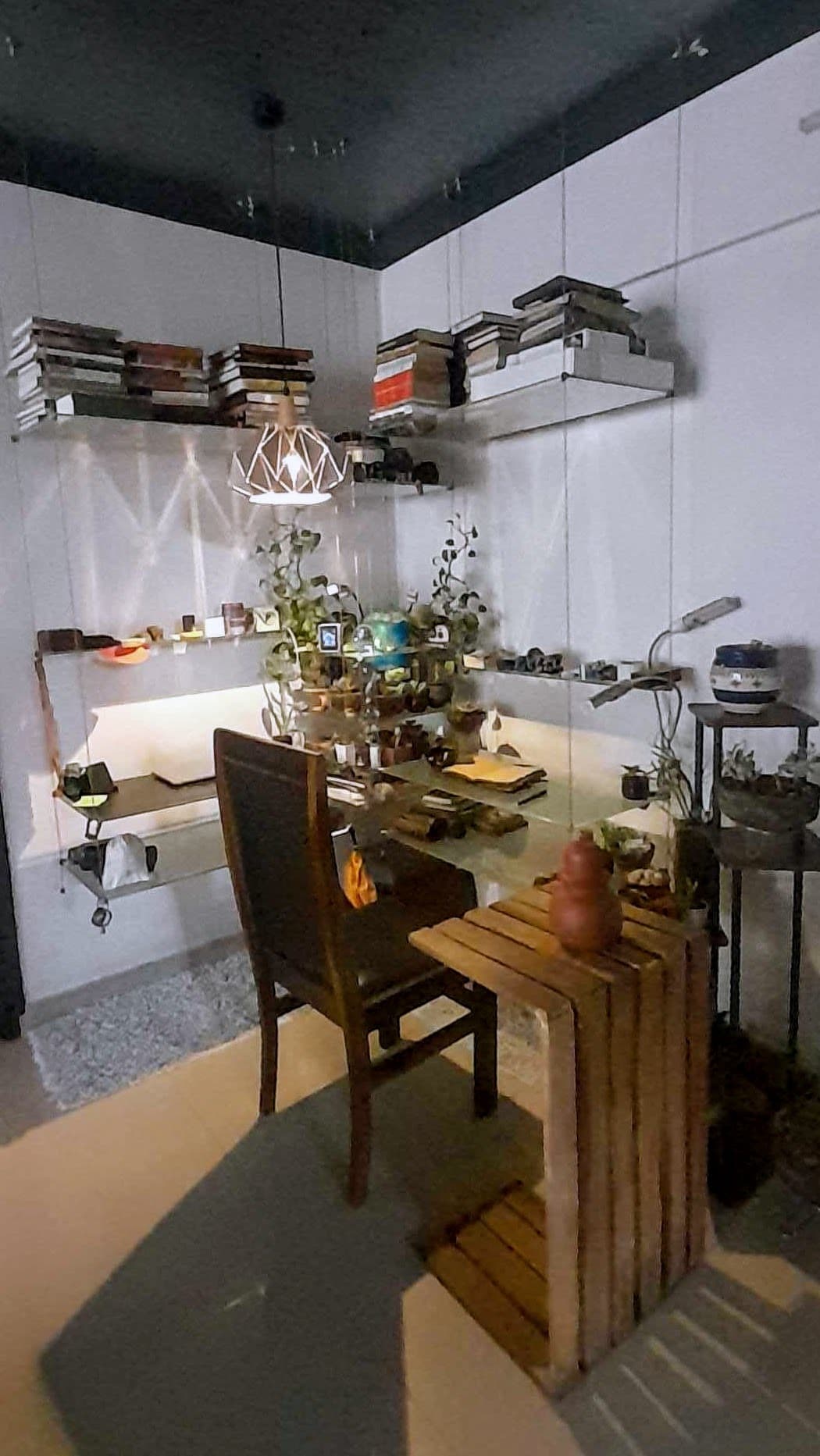
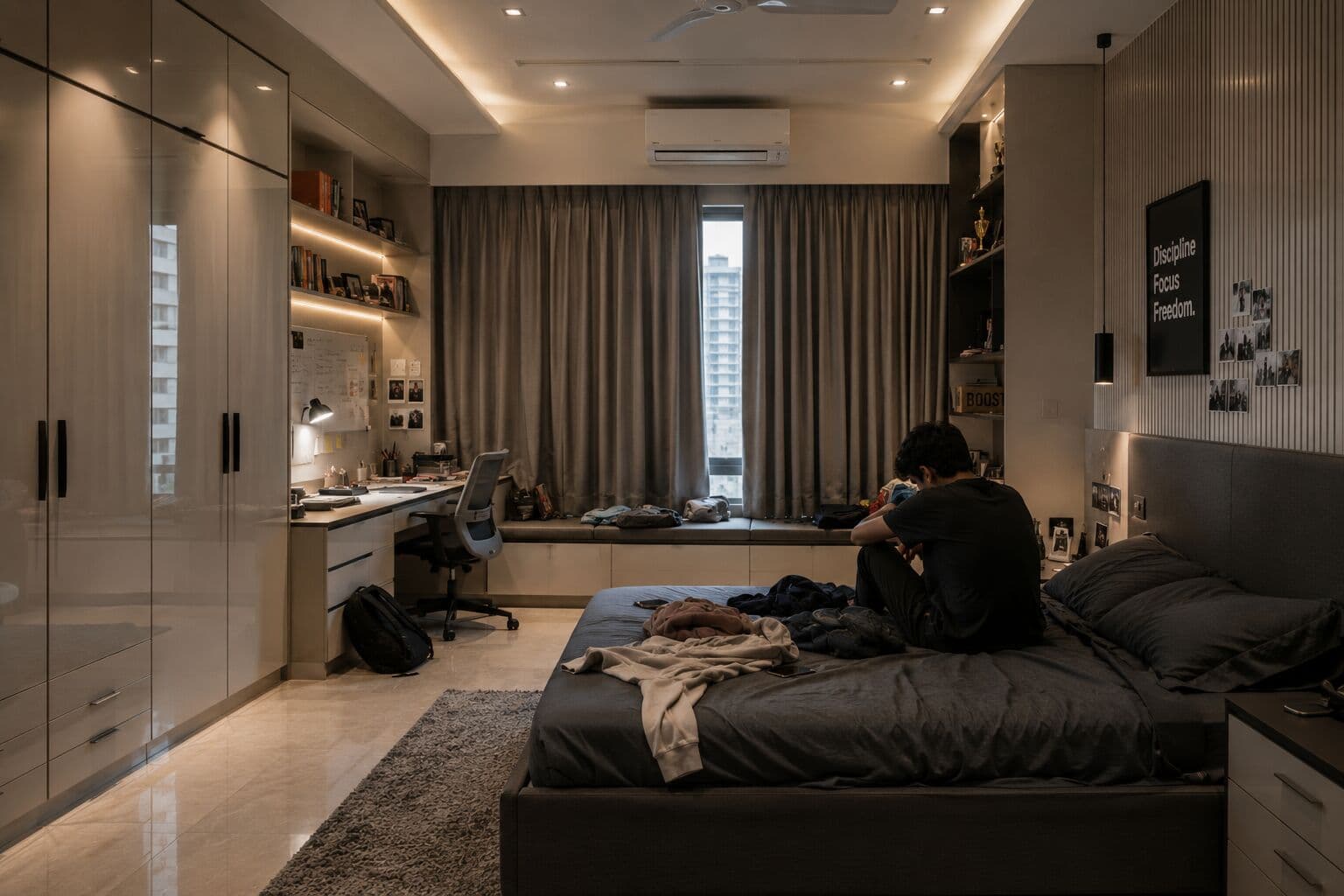
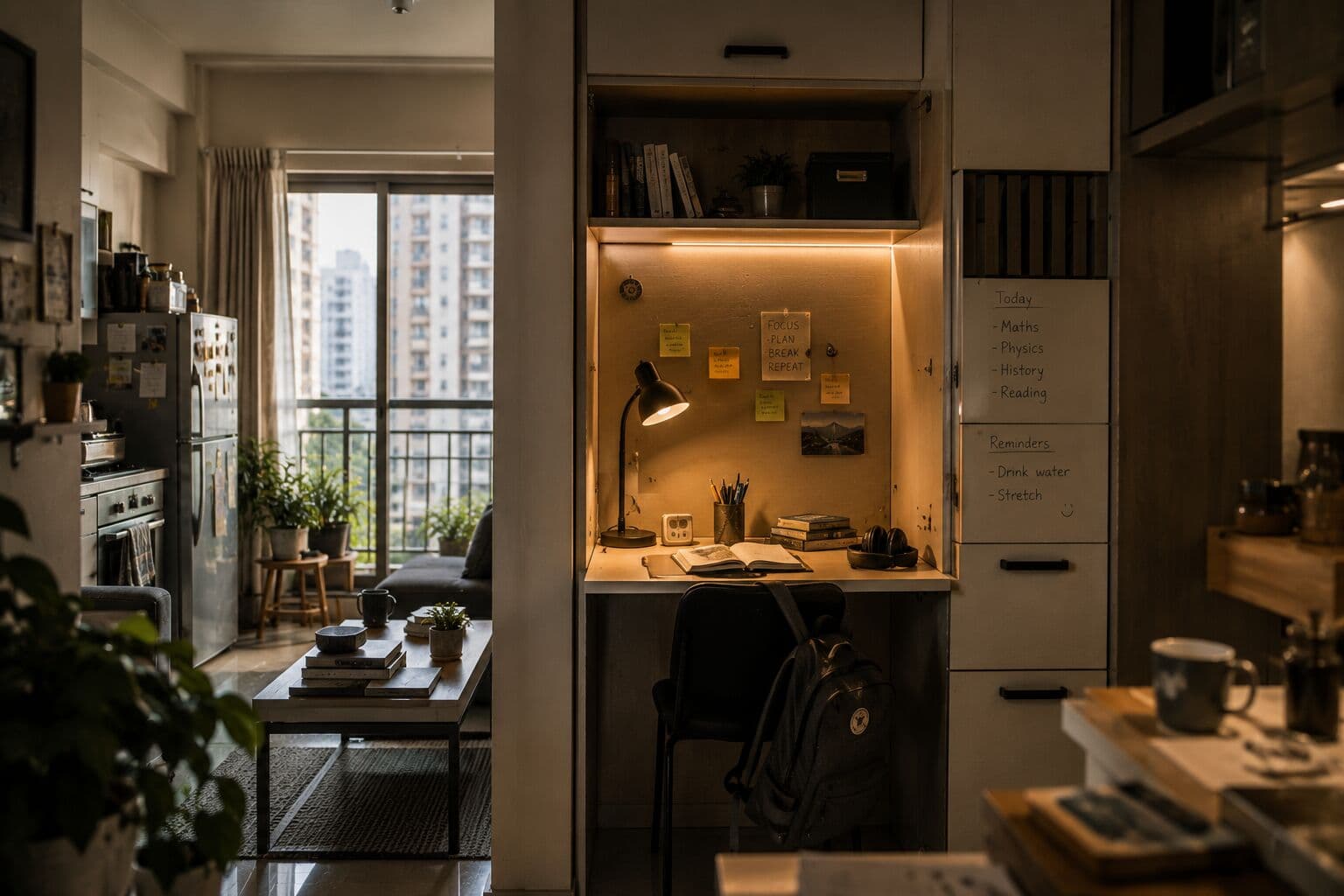
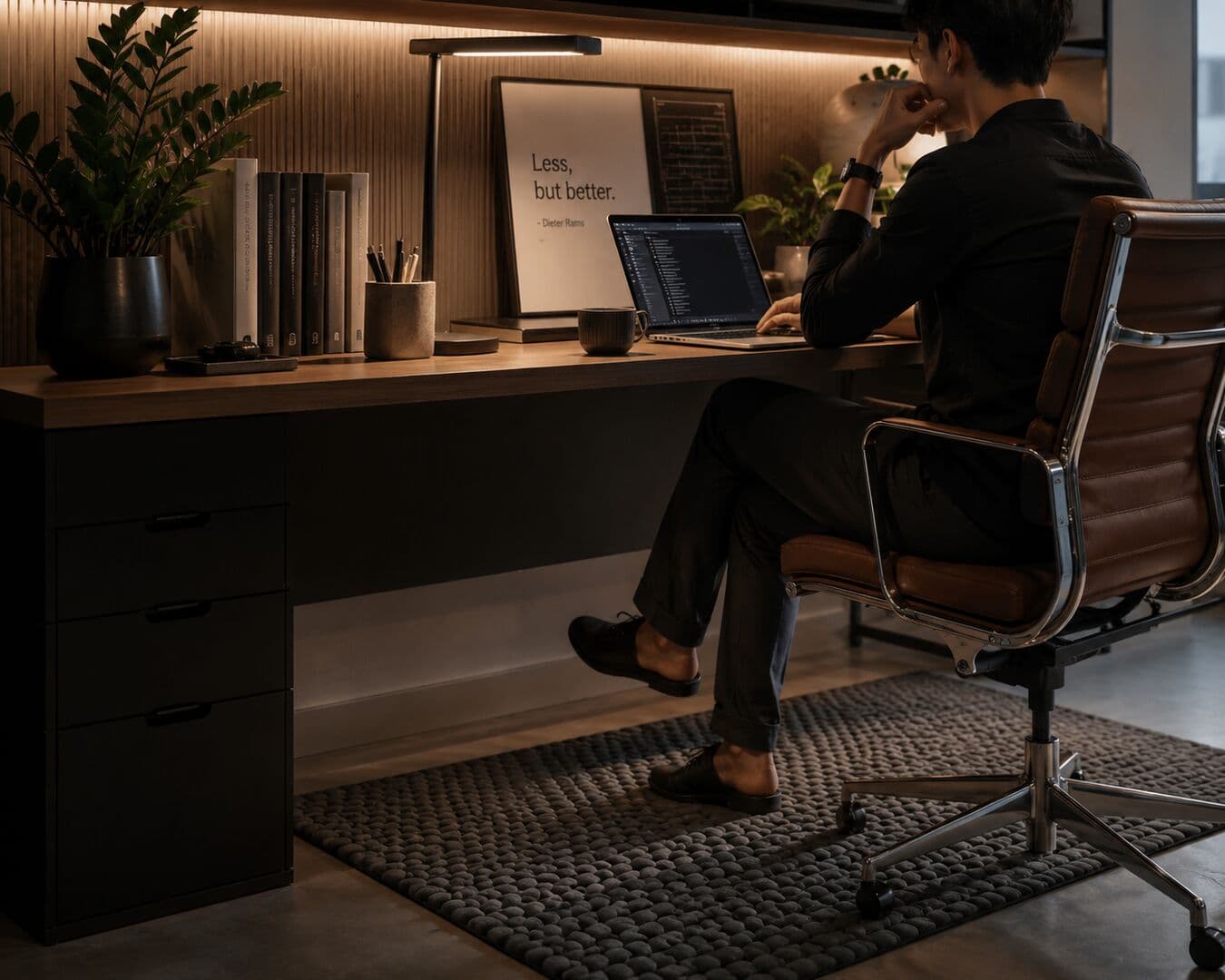
The real challenge is identifying exactly which tiny changes would make the biggest difference in your own space. A textured mat placed under your feet, a low-light desk plant like a ZZ plant or snake plant that thrives even in the dim glow of your workstation, a softer or warmer light at eye level, or a more intentional selection of colours on your desk — these small adjustments can quietly lower stress and restore focus.
Lucy makes this identification effortless. As our design assistant she can analyse your actual workspace the moment you click a few photos of your desk and upload them. She will tell you precisely what needs to change, what can stay exactly as it is, and what should be gently removed or replaced so your environment supports you instead of draining you.
You can talk to Lucy openly — she won't judge. She will ask questions to understand you, then analyse the photos of your workspace and offer clear, practical solutions that can bring back calm and focus to your daily life.