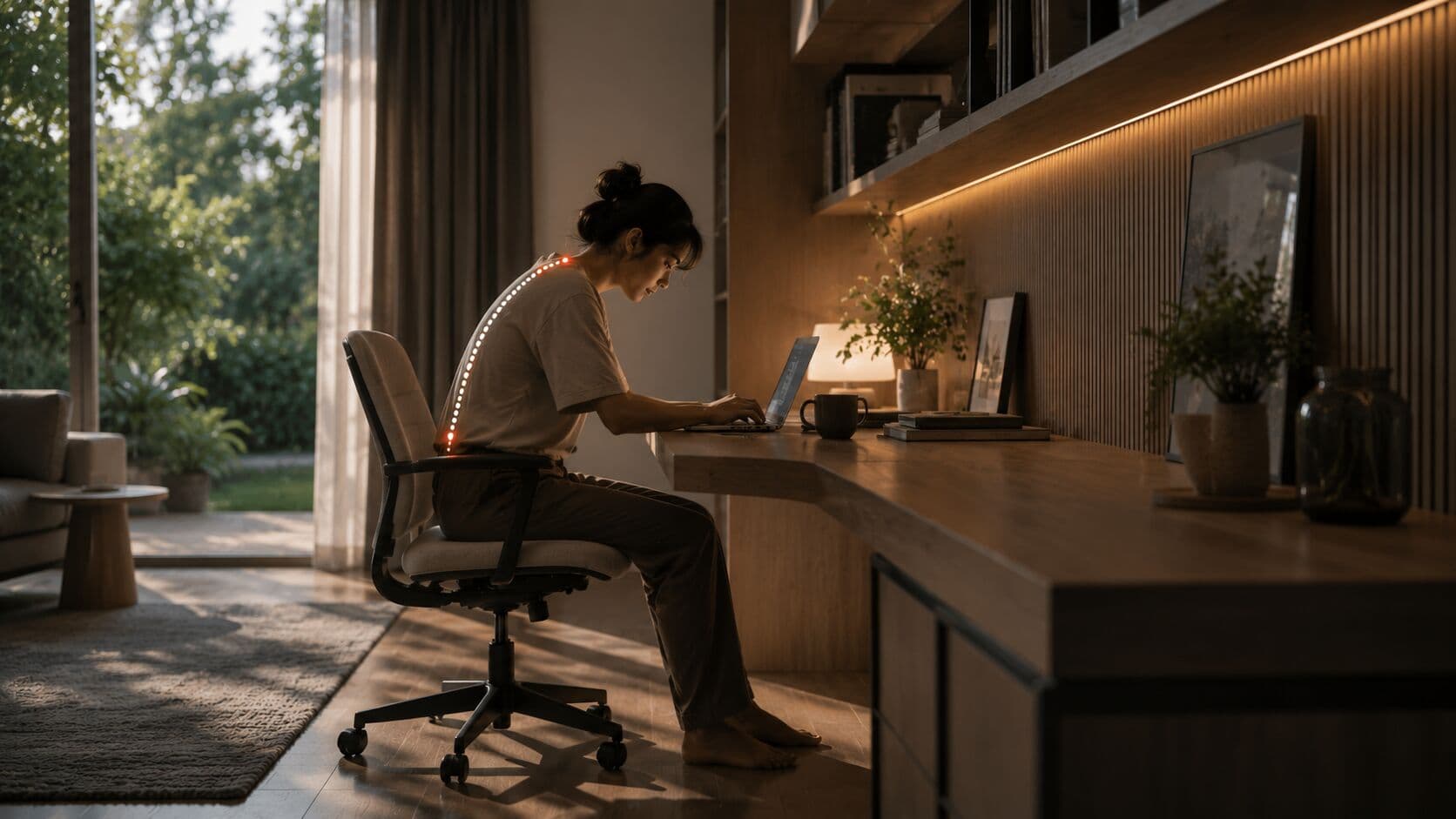
Sedentary behaviour has become one of the most significant public health concerns of our time. With the rise of remote work, increased screen time, and desk-based jobs, many people now spend between 10 to 12 hours a day sitting. According to the World Health Organization (2020), physical inactivity is one of the leading risk factors for non-communicable diseases and contributes to millions of preventable deaths globally each year.
While many people focus on improving their diet to lead a healthier life, research shows that changes in food and drink alone are often not enough to offset the harmful effects of prolonged sitting. Studies have found that even individuals who maintain a relatively healthy diet remain at higher risk of metabolic issues, cardiovascular problems, muscle weakness, and poor mental health if they spend most of their day seated (Ekelund et al., 2016; Biswas et al., 2015). Movement throughout the day plays a critical role in maintaining long-term health.
The Home as a Space That Either Encourages or Discourages Movement
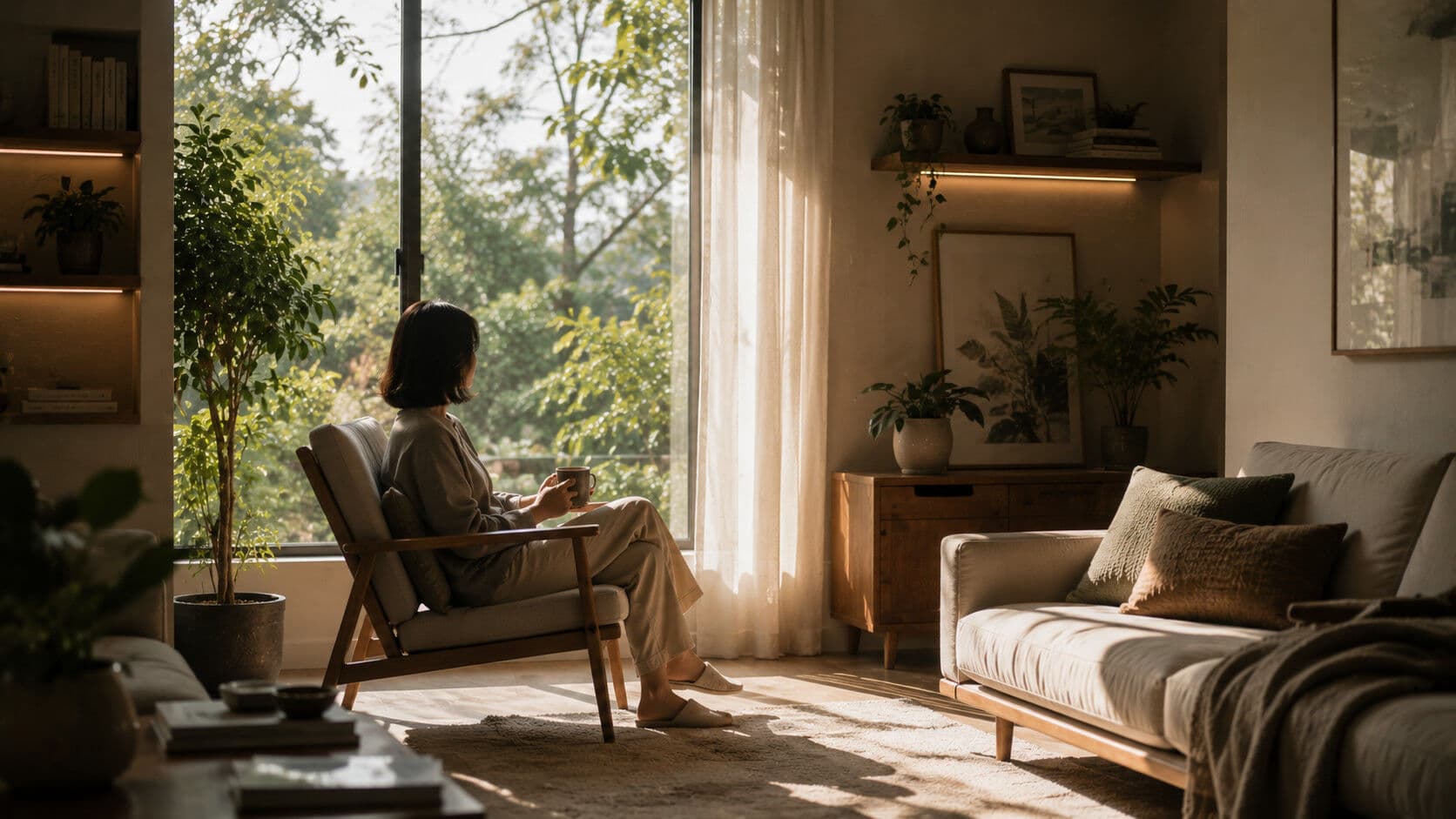
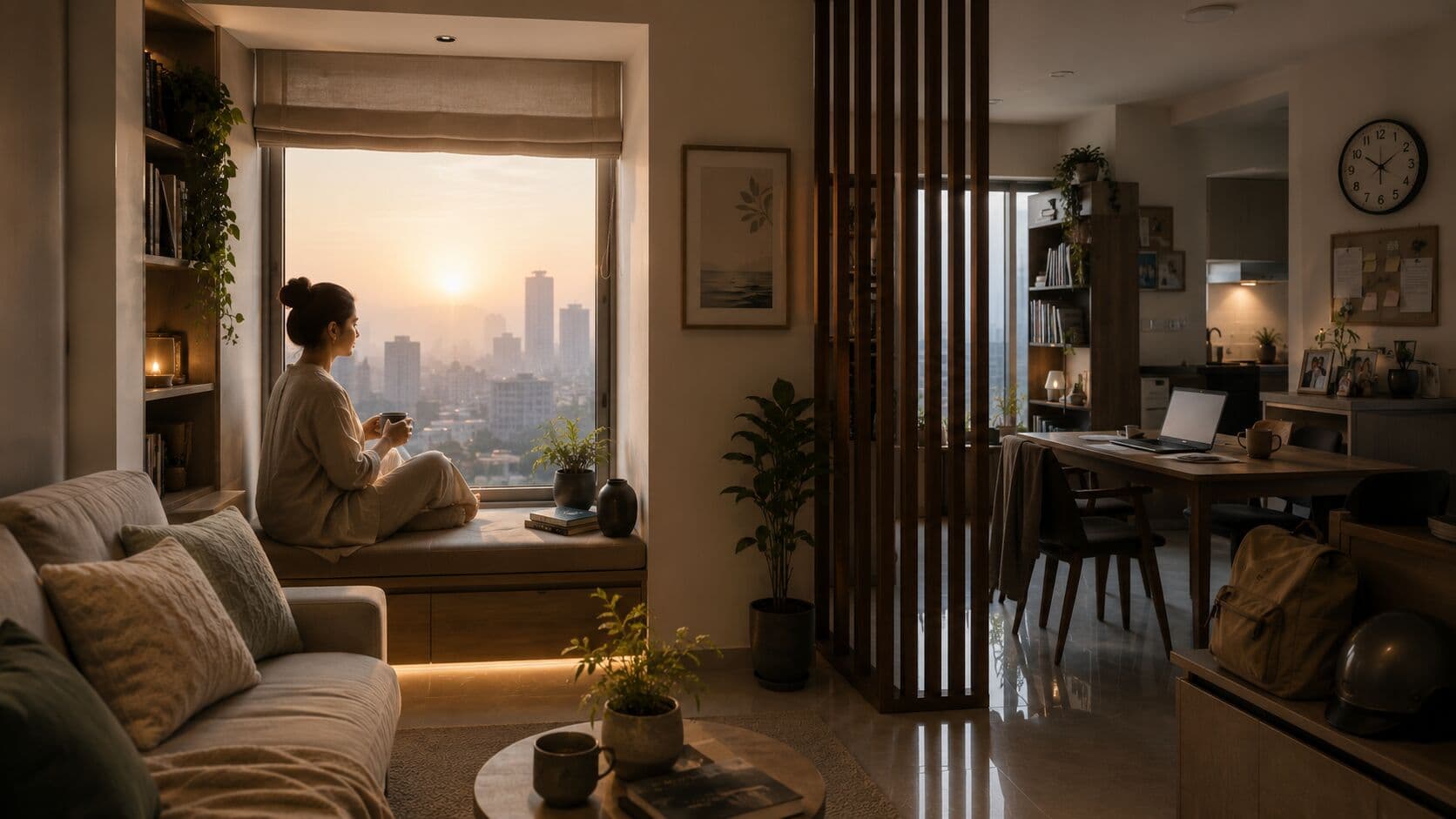
Most homes today are designed primarily for comfort and convenience, which often means minimising the need to move. Furniture encourages sitting, storage is placed within easy reach, and daily routines can be completed with very little physical effort. Over time, this environment reinforces sedentary behaviour and makes prolonged sitting feel like the default way of living.
However, the home can also be intentionally designed to support more movement as part of everyday life. Instead of treating physical activity as something that only happens during structured exercise, thoughtful interior design can create natural opportunities for movement throughout the day.
Design Solutions That Encourage Movement at Home
Several evidence-based design strategies can help reduce sedentary time:
-
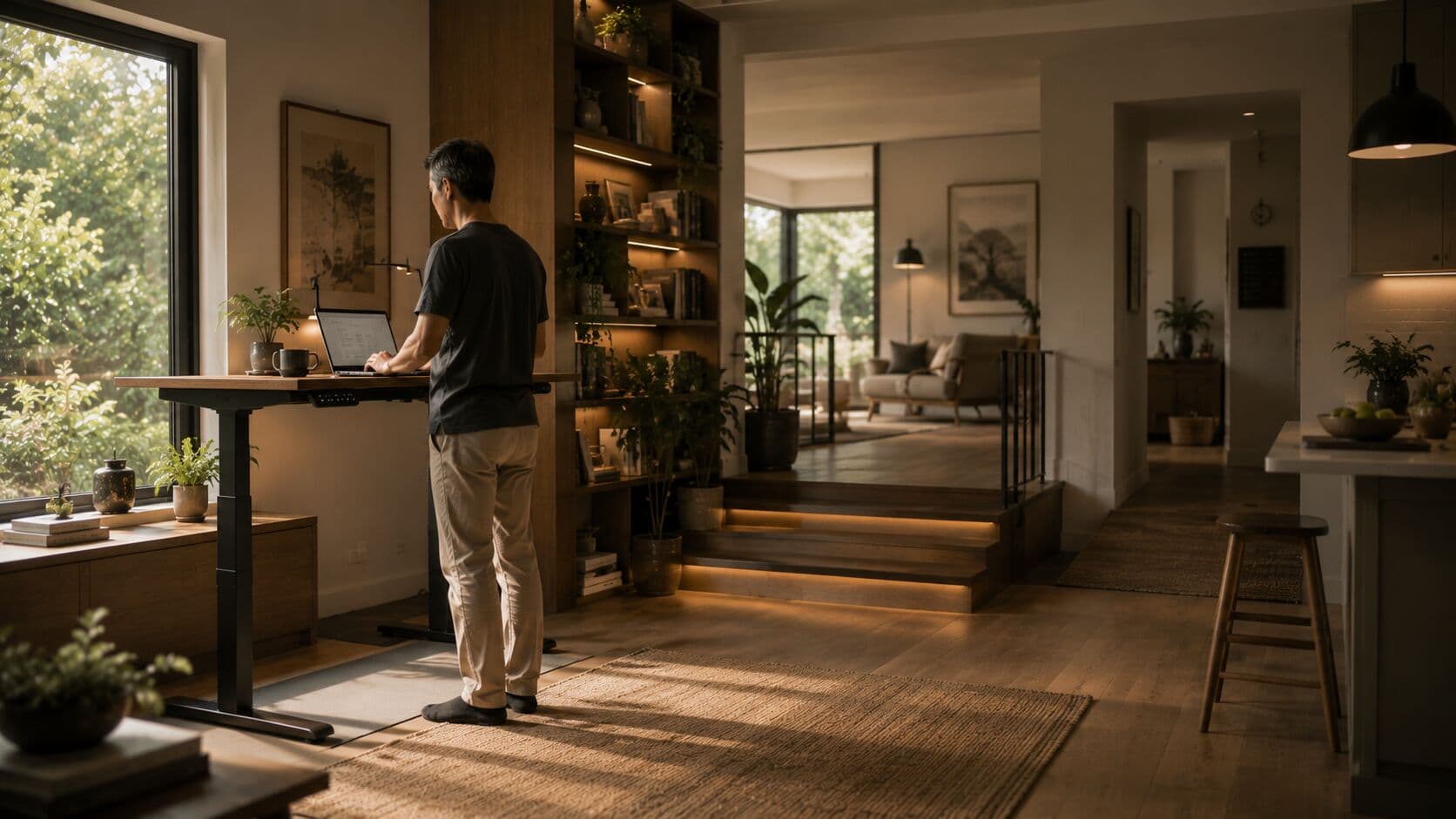
Work desks designed for varied postures — Height-adjustable (sit-stand) desks and workspaces that support multiple postures — sitting, standing, and perching — allow users to change positions regularly. Research has shown that such desks can significantly reduce sitting time and are associated with improvements in back pain, energy levels, and overall wellbeing (Chau et al., 2014; Pronk et al., 2012).
-
Circulation paths and open spaces that invite movement — When frequently used areas such as the kitchen, storage, or seating zones are thoughtfully arranged, they can naturally encourage walking. Research on active design shows that homes with clear, pleasant circulation paths and well-placed destinations tend to increase incidental movement throughout the day (Sallis et al., 2015; Center for Active Design, 2010). Open, uncluttered pathways make movement feel easier and more inviting.
These kinds of interventions often go beyond small adjustments. In many cases, meaningful change requires more substantial design work — such as reconfiguring workspaces, redesigning movement paths, or rethinking how different activity zones are connected within the home.
How Lucy Can Help
Lucy was designed to think beyond surface-level aesthetics and consider how a space can actively support long-term health and daily movement.
As your design assistant, she analyses how you currently move through your home and identifies opportunities to reduce prolonged sitting. This may involve more substantial design interventions — such as reconfiguring workspaces to support varied postures, redesigning circulation paths to encourage natural movement, or creating layered activity zones throughout the home.
While these changes can require more significant planning and investment, they are intended to deliver meaningful returns over time. A home designed to support movement can contribute to better physical health, reduced risk of sedentary-related conditions, improved energy levels, and greater ease of movement as one ages — ultimately supporting a higher quality of life in the long run.
Sedentary living has become the default for many people. However, with thoughtful and intentional design, your home can be transformed into a space that quietly encourages more movement as part of everyday life.
If you are concerned about the effects of long hours of sitting and want your home to better support an active and healthier way of living, Lucy can help you explore practical and strategic design solutions tailored to your space and needs.
Just say hello to Lucy whenever you're ready.
References
- World Health Organization (2020). WHO guidelines on physical activity and sedentary behaviour.
- Ekelund, U., et al. (2016). Physical activity and all-cause mortality across levels of overall and abdominal adiposity in European men and women. The American Journal of Clinical Nutrition.
- Biswas, A., et al. (2015). Sedentary time and its association with risk for disease incidence, mortality, and hospitalization in adults: A systematic review and meta-analysis. Annals of Internal Medicine.
- Chau, J.Y., et al. (2014). Sit–stand workstations and their impact on worker health and productivity. British Journal of Sports Medicine.
- Pronk, N.P., et al. (2012). Reducing occupational sitting time and improving worker health. Preventing Chronic Disease.
- Sallis, J.F., et al. (2015). Co-benefits of designing communities for active living. International Journal of Behavioral Nutrition and Physical Activity.
- Center for Active Design (2010). Active Design Guidelines: Promoting Physical Activity and Health in Design.