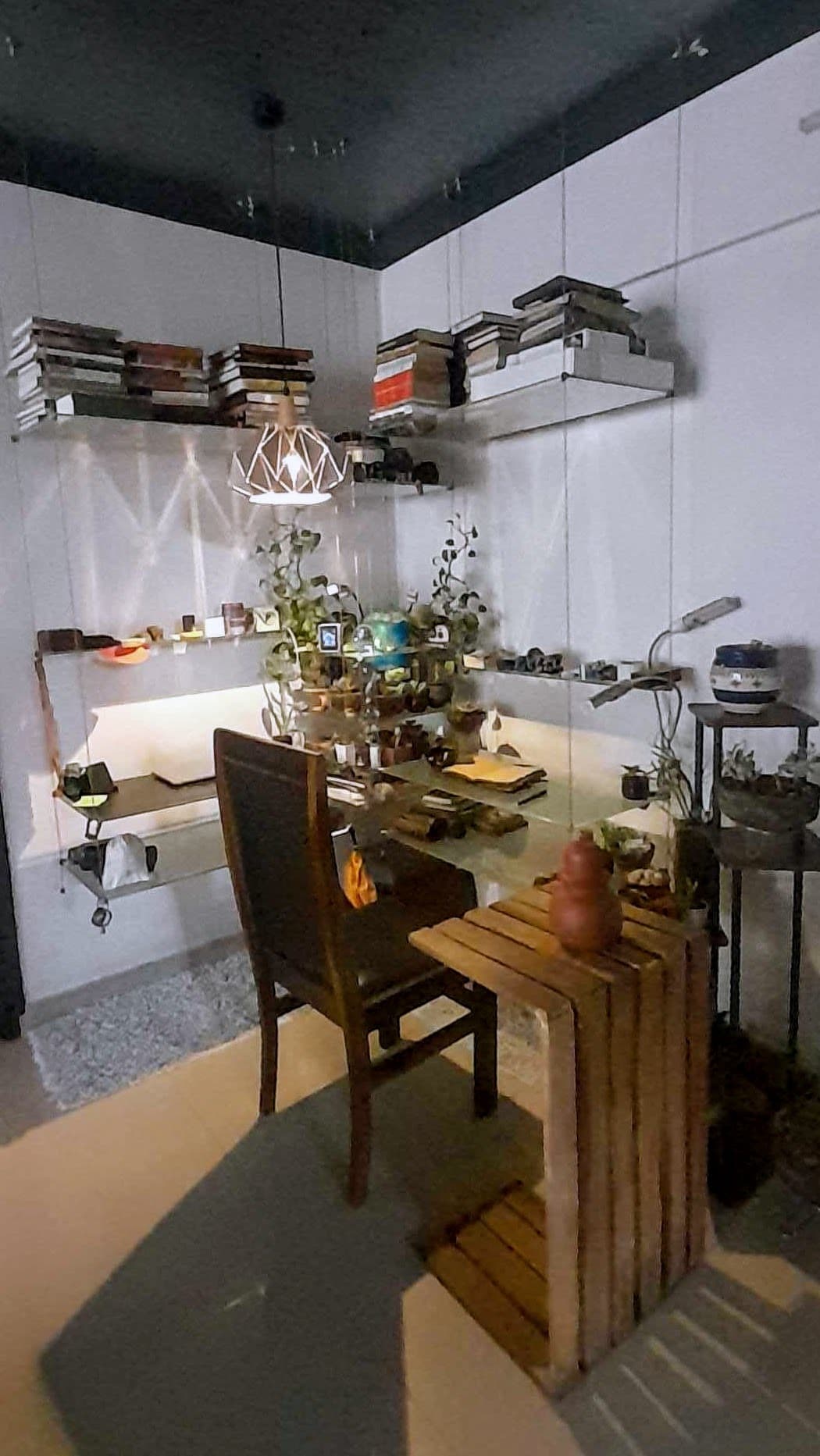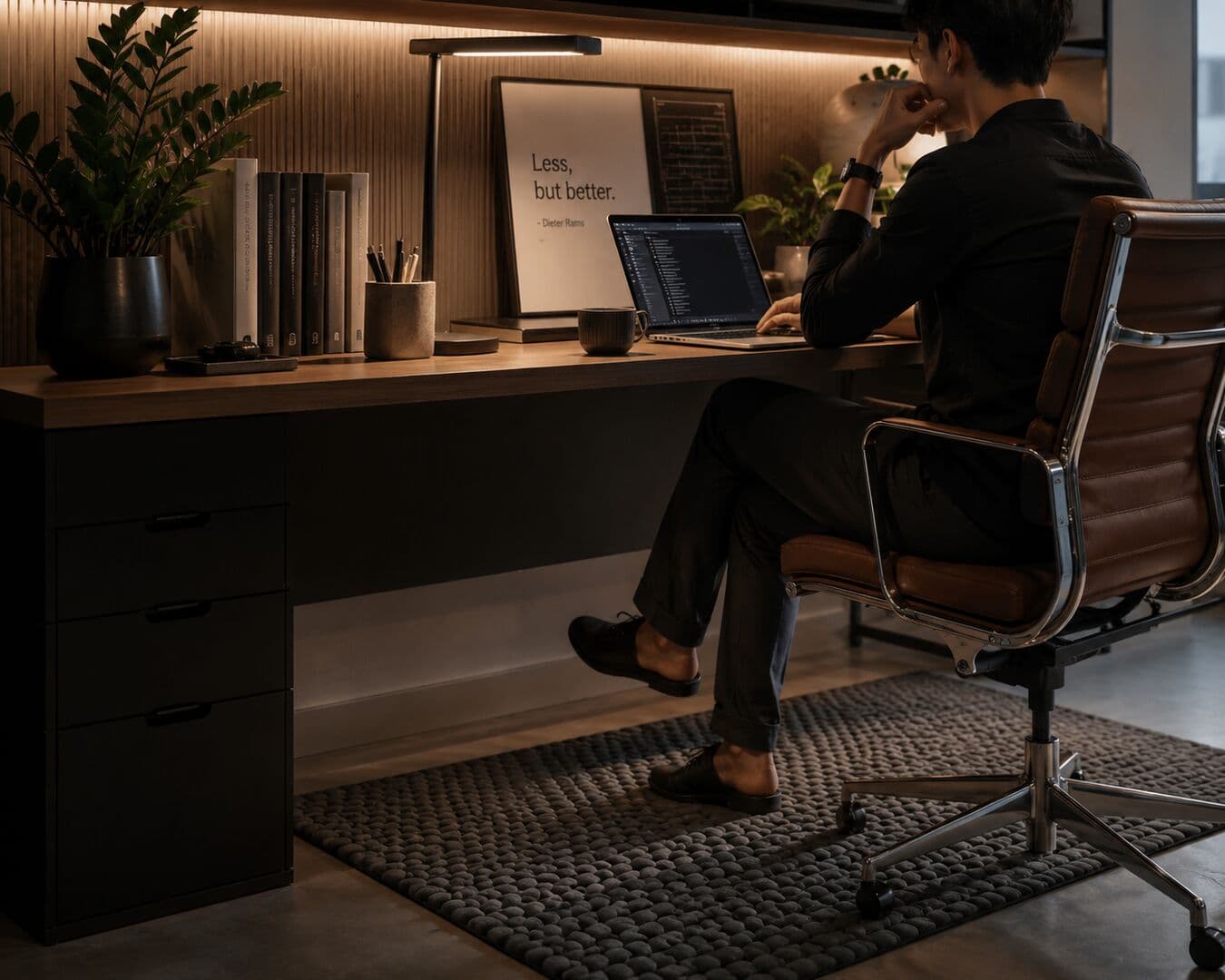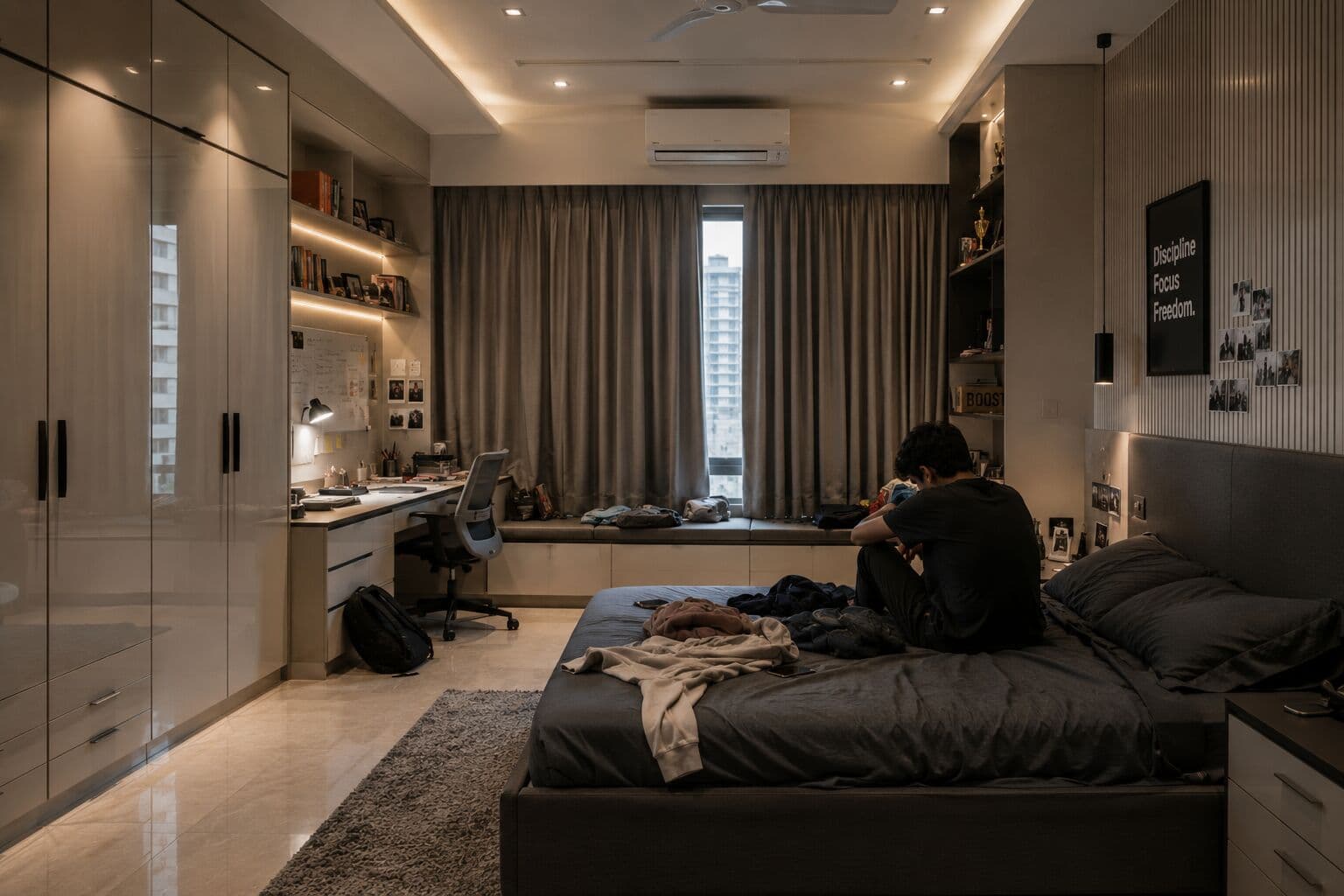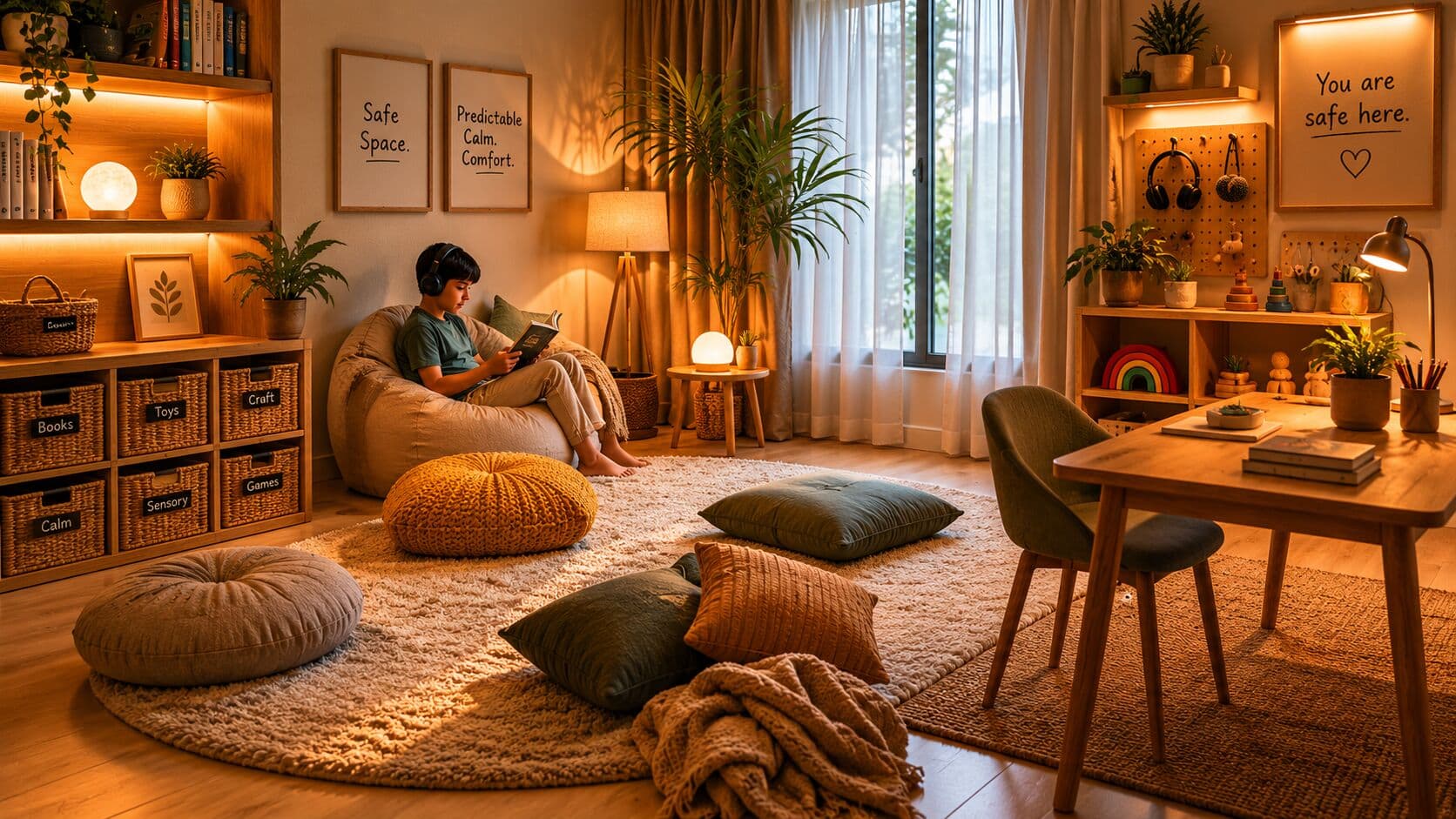
You've probably seen it in your own home or in someone you love.
A child who suddenly covers their ears when the fan turns on. A teenager who lines up toys or books in perfect rows and gets upset if someone moves even one. A loved one who has a meltdown when the furniture is shifted, insists on keeping the curtains closed even on bright days, or reacts strongly to certain textures, smells, or the way clothes feel. From the outside, these moments can look quirky, dramatic, or even "too much." As a parent or partner, you might feel confused, helpless, or worried that you're doing something wrong.
Let me gently say this: you're not doing anything wrong. And those behaviours are not random.
For many autistic individuals, the nervous system experiences the world much more intensely. Sounds feel louder, lights feel brighter, textures feel overwhelming, and small changes in the environment can feel like the ground is shifting. Research published in the Journal of Autism and Developmental Disorders shows that over 90% of autistic people have significant differences in sensory processing — their brains are simply wired to notice and feel things more deeply than most.
This is where the physical environment becomes incredibly important.
A home for an autistic person (or child) isn't about looking perfect or following trends. It's about creating a space that feels safe, predictable, and kind to their nervous system. It means having quiet retreat corners, control over lighting and sound, textures that feel soothing rather than irritating, and layouts that reduce surprises instead of creating them.
You don't have to become an expert overnight or redesign everything at once.
Lucy was created to help with exactly this understanding. As your gentle design assistant, she listens to the specific behaviours and needs you're noticing, helps you see the world through an autistic lens, and then suggests thoughtful, practical ways to make the home feel safer and more supportive — whether it's for your child, your partner, or yourself.
The goal is never to "fix" anyone. The goal is to create a home that says, "You are safe here. You don't have to shrink or pretend. You can just be."
If you're a parent trying to understand your child better, or someone who loves an autistic person and wants their home to feel like a soft landing instead of another challenge, Lucy is here for you.
She will listen without judgment, explain things kindly, and help you design a space that truly supports the beautiful, unique way their mind experiences the world.