Back in the 1960s and 70s, plastic entered most Indian homes like a charming guest. It arrived first as bright, colourful buckets, sturdy lunch boxes, and those unbreakable dinner sets that mothers proudly displayed. “No more broken glass!” everyone cheered. Plastic was affordable, lightweight, and didn’t shatter when kids were rough. It felt like magic — practical, modern, and full of promise.
Then came the 1980s and 90s. Plastic quietly began replacing everyday items one by one. Chairs moved from wood and cane to moulded plastic. Storage containers replaced steel and glass. Even the humble dabba for office lunch got a shiny plastic upgrade. Why? Because it was cheap, easy to clean, colourful, and — most importantly — it survived the chaos of Indian households. Plastic bags (those thin ones under 50 microns) became the default for everything from vegetables to clothes from the tailor. Thicker ones (above 50 microns) were used for groceries and garbage. Everyone loved how convenient it was. No washing, no breakage, no fuss.
By the early 2000s, plastic had quietly taken over. From the mela toys for children to the chairs in your living room, from the dustbins to the raincoats, from the kitchen drawers full of plastic spoons and containers to the PVC pipes behind your bathroom walls — it was everywhere. It felt normal. It felt inevitable.
And here we are today.
Even those of us who are consciously trying to go plastic-free find it incredibly difficult. We buy steel straws and glass bottles, yet the plastic still creeps back in. The reality is harsh: we are surrounded by it in ways we don’t even notice.
Plastic Hiding in Plain Sight in Our Homes
While we all know about plastic bags and containers, many common interior materials are plastic or plastic-based:
- Vinyl and PVC flooring (very popular in Indian homes for being “easy to maintain”)
- Laminate sheets on kitchen cabinets and tabletops
- uPVC windows and door frames
- Polyurethane foam in mattresses, sofas, and cushions
- Melamine in dining tables and storage units
- PVC electrical conduits and wiring insulation
These materials were chosen because they are durable, affordable, termite-proof, and low-maintenance. But they come with a hidden cost.
The Hidden Impact of Plastic on Our Health
Plastic does not remain completely inert. Over time, it releases microplastics, phthalates, bisphenol A (BPA), and other chemicals into the air, dust, and water inside our homes. These substances can be inhaled, ingested, or absorbed through the skin.
Scientific research has raised serious concerns:
- Children are particularly vulnerable. Phthalates (commonly found in vinyl flooring and PVC products) have been linked to respiratory issues, asthma, and developmental disruptions. A study published in Environmental Health Perspectives found that children living in homes with vinyl flooring had significantly higher rates of asthma and allergic symptoms.
- Adults face risks of hormonal imbalance, reduced fertility, and metabolic disorders. BPA and phthalates are known endocrine disruptors. Research from the Journal of Clinical Endocrinology & Metabolism has associated long-term exposure to these chemicals with disrupted thyroid function and increased risk of obesity and insulin resistance.
- The elderly may experience aggravated respiratory conditions and weakened immune responses from prolonged exposure to plastic-related pollutants in poorly ventilated homes. Emerging studies on microplastics have detected these particles in human blood, lungs, and even the placenta, raising concerns about chronic inflammation and long-term organ stress (Leslie et al., 2022).
The most concerning part is that these effects are slow, cumulative, and often go unnoticed until symptoms appear years later.
Is There a Realistic Way Forward?
Completely eliminating plastic from an existing home is extremely difficult — almost impossible in one go. But it is possible to gradually and significantly reduce plastic content over time.
This does not mean throwing everything away. It means making conscious, informed choices during renovations, replacements, and new purchases. It involves understanding which materials release harmful substances, how they degrade over time, and what truly low-plastic or plastic-free alternatives exist.
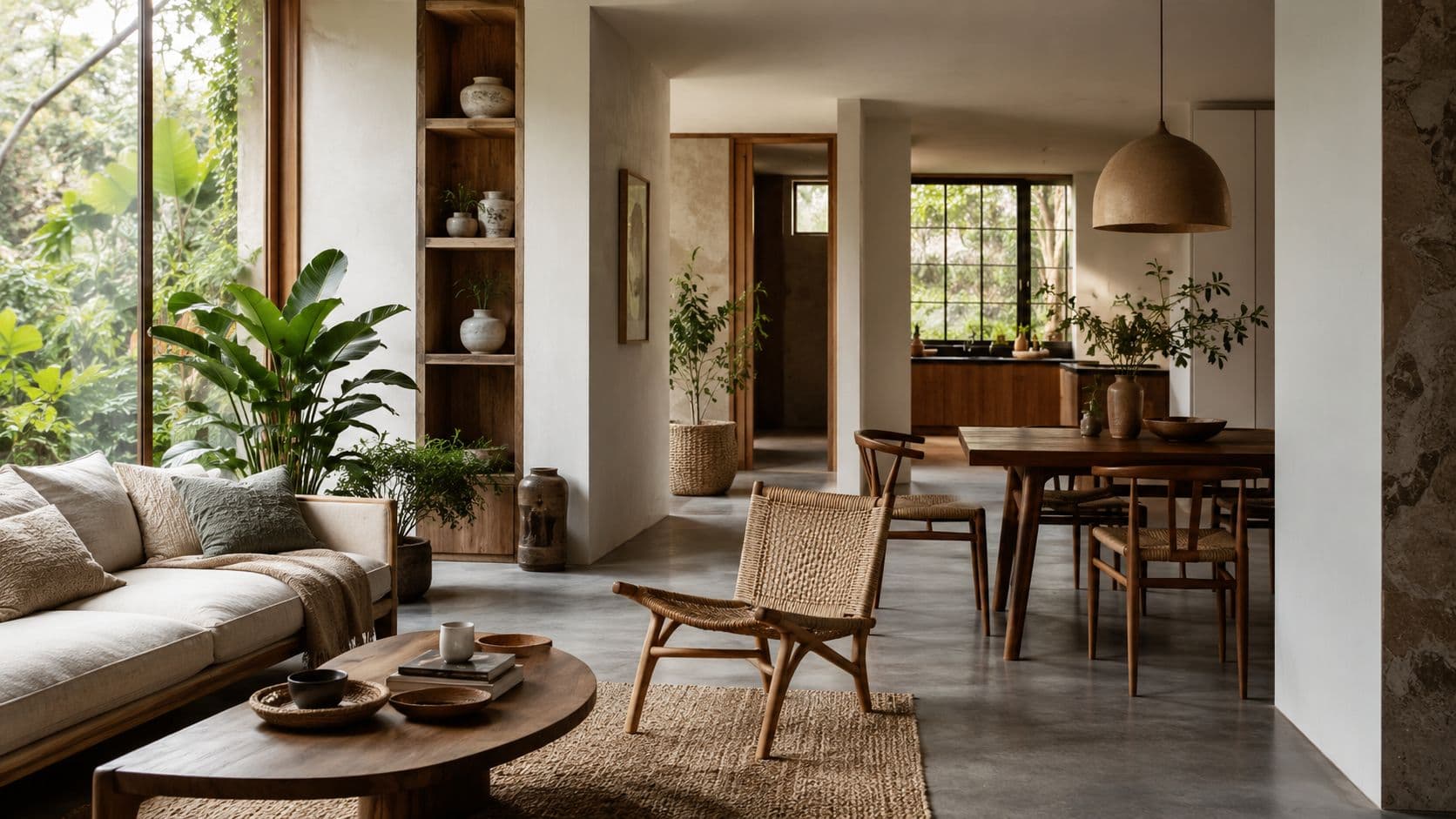
Examples of practical steps include switching to solid wood or bamboo flooring instead of vinyl, choosing metal or glass storage instead of plastic containers, opting for natural fabrics for upholstery, and selecting low-VOC paints and sealants.
This is where thoughtful design becomes essential.
Lucy can provide more tailored guidance. As your design assistant, she can look at your current home, understand where plastic is hiding, and suggest realistic, practical ways to reduce it over time — whether you are doing a small renovation or a larger one. She helps you make better material choices that are healthier for your family and the planet, while still being practical for real Indian homes.
Reducing plastic in your home is not about perfection. It is about making kinder, more conscious choices every time you update your space.
If you’ve been feeling uneasy about the amount of plastic in your daily life and want to create a healthier home, Lucy is here to help you take practical steps forward.