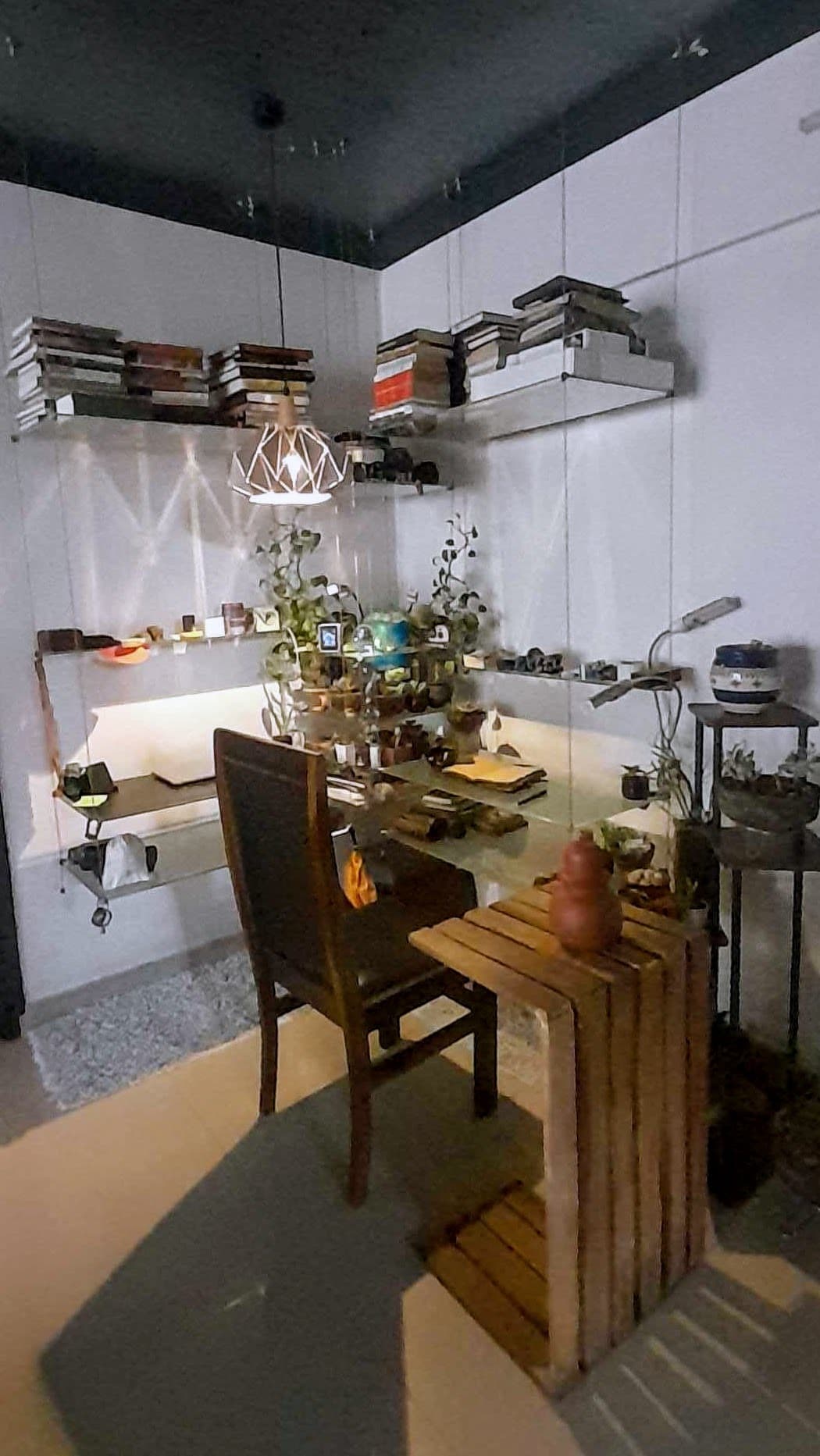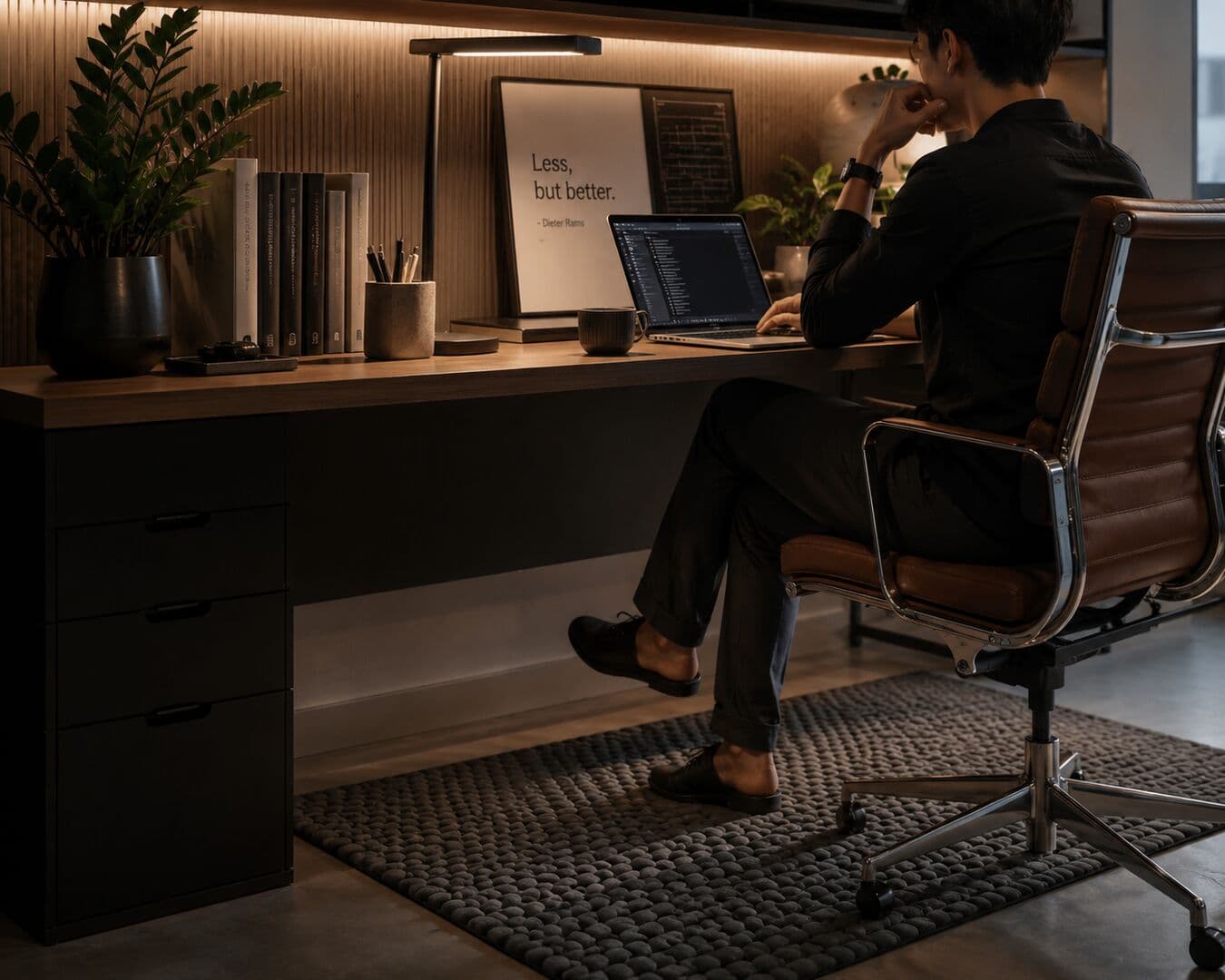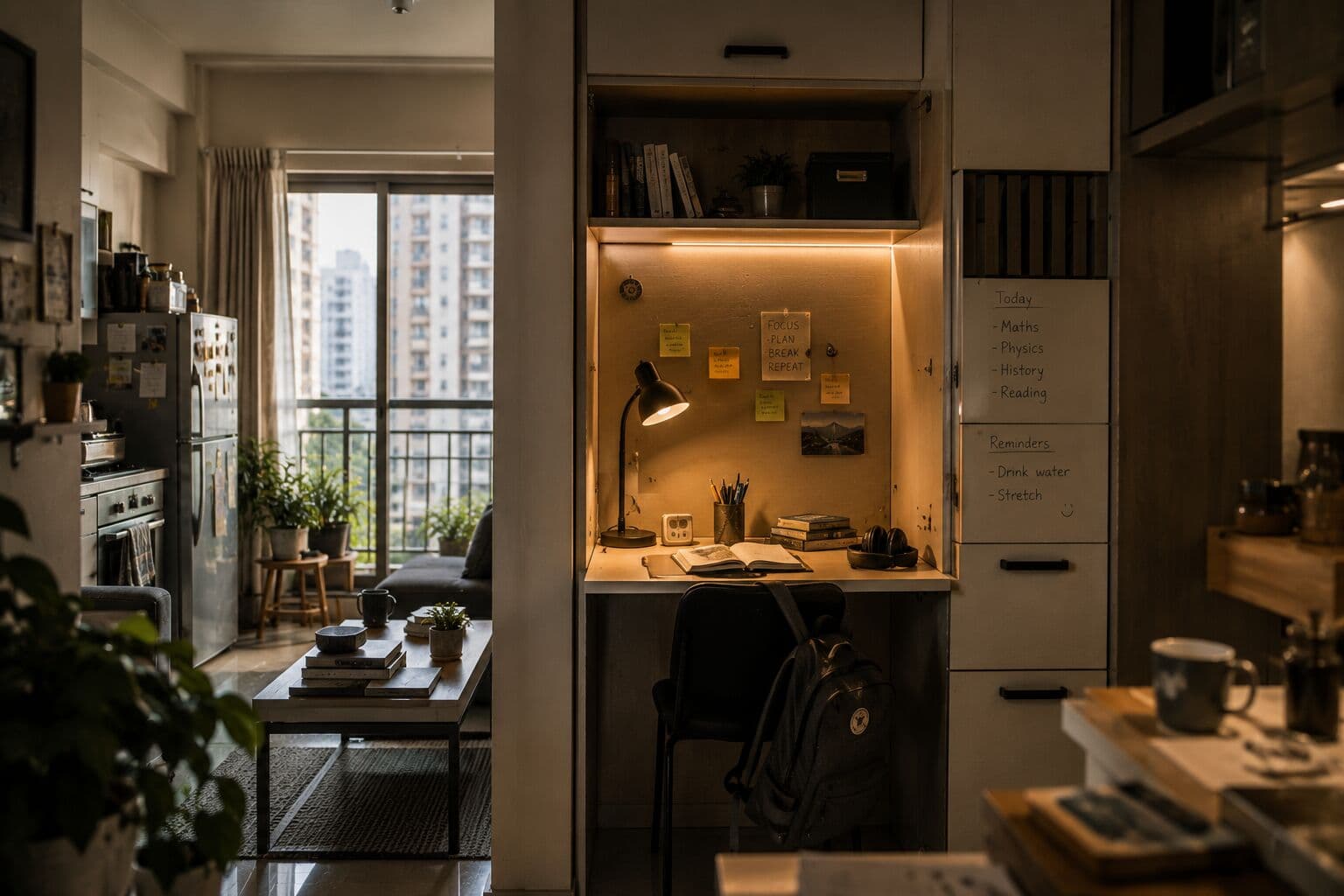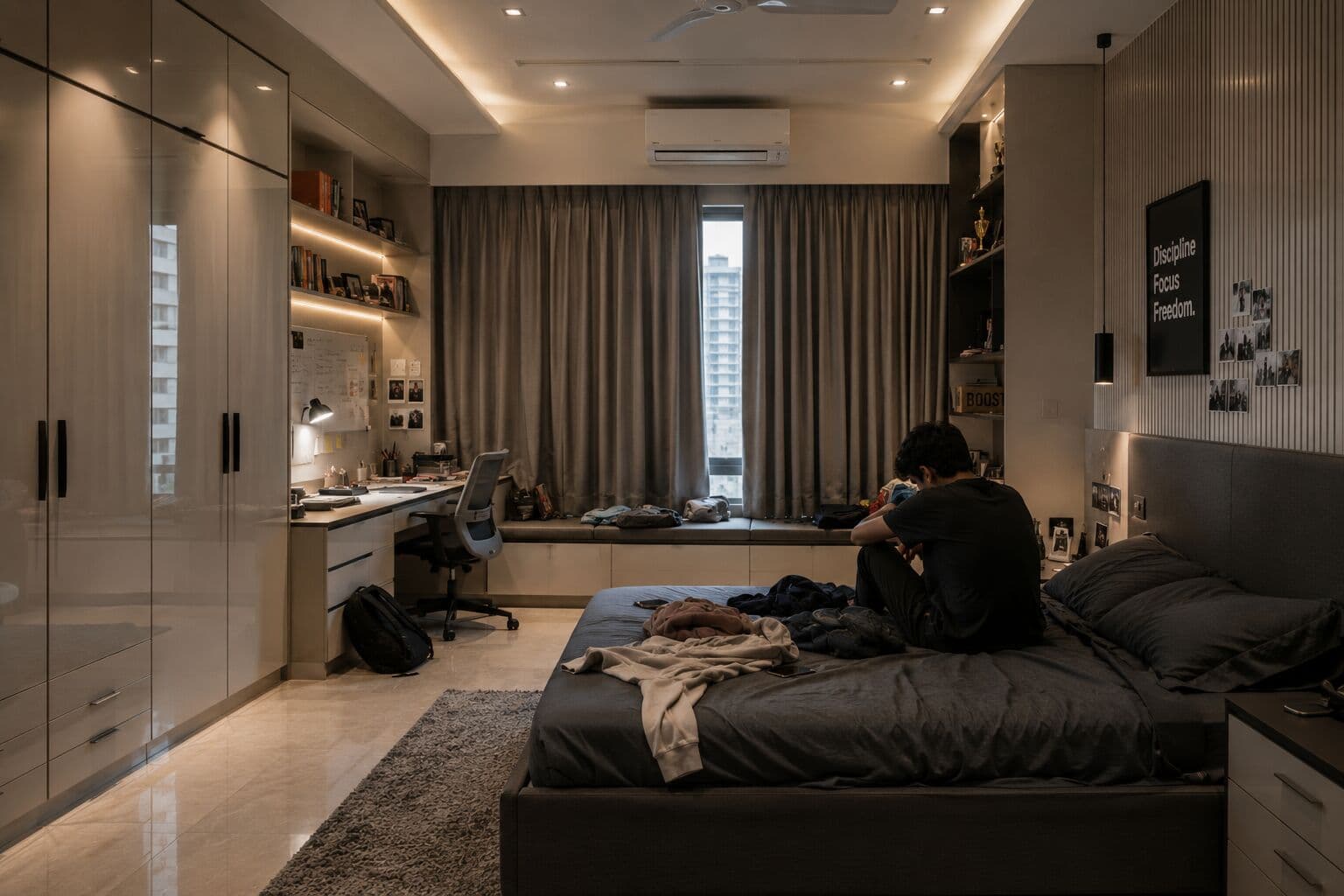
You poured time, money, and so much care into designing the perfect interiors for your children's rooms. You chose soft, calming colours you thought would help them feel safe and focused. You picked stylish fixtures and bright, modern lighting because you wanted their space to feel fresh and uplifting — everything a growing child's room should be.
Yet, despite all that effort, you notice your teenager starting to pull away. They avoid social interactions, make excuses to skip school, and spend more time locked in their room. As a parent, it is easy to tell yourself this is just the teenage phase — they want to stay aloof, they are growing up, it is normal. You brush it off as part of the developing brain.
They rub their eyes more often. They complain of headaches or say they feel tired even after a full night's sleep. They become restless while studying and keep the curtains drawn even during the day. Their room stays messy and disorganised, and their phone becomes a constant escape. The fresh, exquisite interiors you worked so hard to create — the bright, modern lighting and stylish fixtures you once loved — now seem to be quietly overwhelming their developing neurological systems.
We often see the withdrawal, the avoidance, the addiction to screens and assume it is only "teenage brain" changes. But the physical environment we have designed for them — the soft white light spectrum, the reflective Italian marble that was so difficult to source, the standard modular wardrobe which requires time investment in organisation — can add an invisible layer of stress that their still-developing nervous system struggles to handle.
The truth is, while neurological changes are real, the home does not have to force a growing brain to adapt to adult-designed standards. The space can be designed to empathise with these changes and gently support them instead.
Lucy understands this deeply. As our design assistant she listens carefully to your child's daily routine, the way they use each room, and the small behaviours you have been noticing. She will ask the right questions, perceive the subtle environmental triggers, and then offer clear, practical solutions that adapt the lighting, reduce flicker, and create calmer zones — all without a complete renovation.
Many families know this struggle too well. The home you want to be a nurturing space for your children can still feel bright, comfortable, and supportive — even during these sensitive years.
You can talk to Lucy openly — she won't judge. She will simply listen and offer practical solutions that can bring back calm and ease to your child's daily life.