Depression is a serious mental health condition that affects how a person thinks, feels, and functions. It goes beyond temporary sadness or low mood. It can significantly reduce motivation, impair daily functioning, and create persistent feelings of hopelessness, worthlessness, and emotional exhaustion.
From a neuroscience perspective, depression is associated with changes in brain chemistry and structure. Research indicates that individuals experiencing depression often show altered levels of neurotransmitters such as serotonin and dopamine. Brain imaging studies have also revealed reduced activity in the prefrontal cortex and structural changes in the hippocampus — areas involved in emotional regulation, decision-making, and stress response (Maletic et al., 2007; Drevets et al., 2008).
How Depression Feels and Affects Behaviour
People living with depression often describe it as a heavy, persistent weight that makes even basic tasks feel overwhelming. Simple activities such as getting out of bed, preparing meals, maintaining personal hygiene, or engaging in social interactions can require immense effort. Many experience emotional numbness, difficulty concentrating, and a deep sense of isolation, even when surrounded by others.
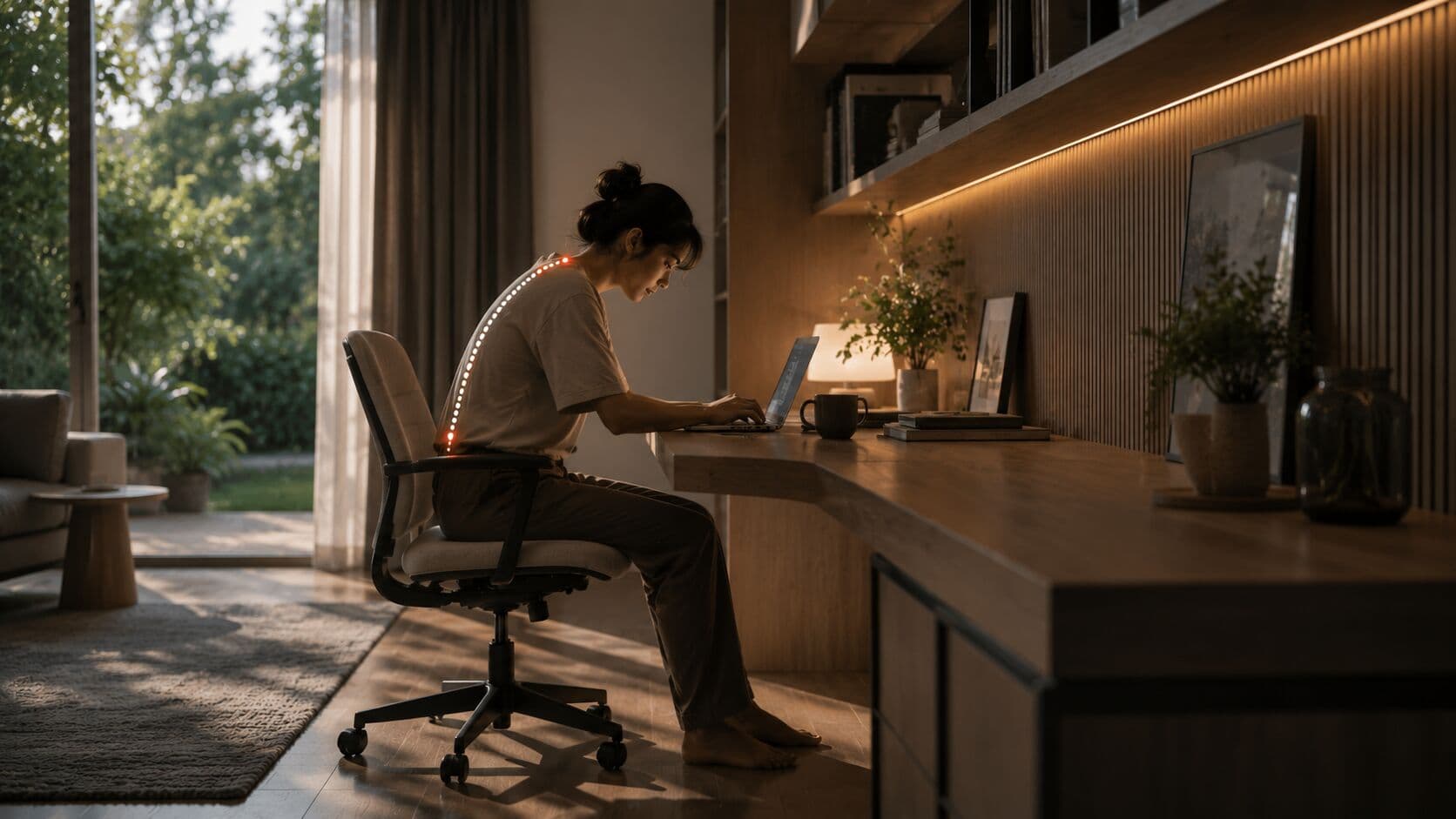
These experiences often lead to changes in behaviour. A person may withdraw from social contact, lose interest in activities they previously enjoyed, neglect self-care, or spend extended periods in one part of the house. These are not signs of personal weakness — they are symptoms of the condition.
How the Physical Environment Can Offer Support
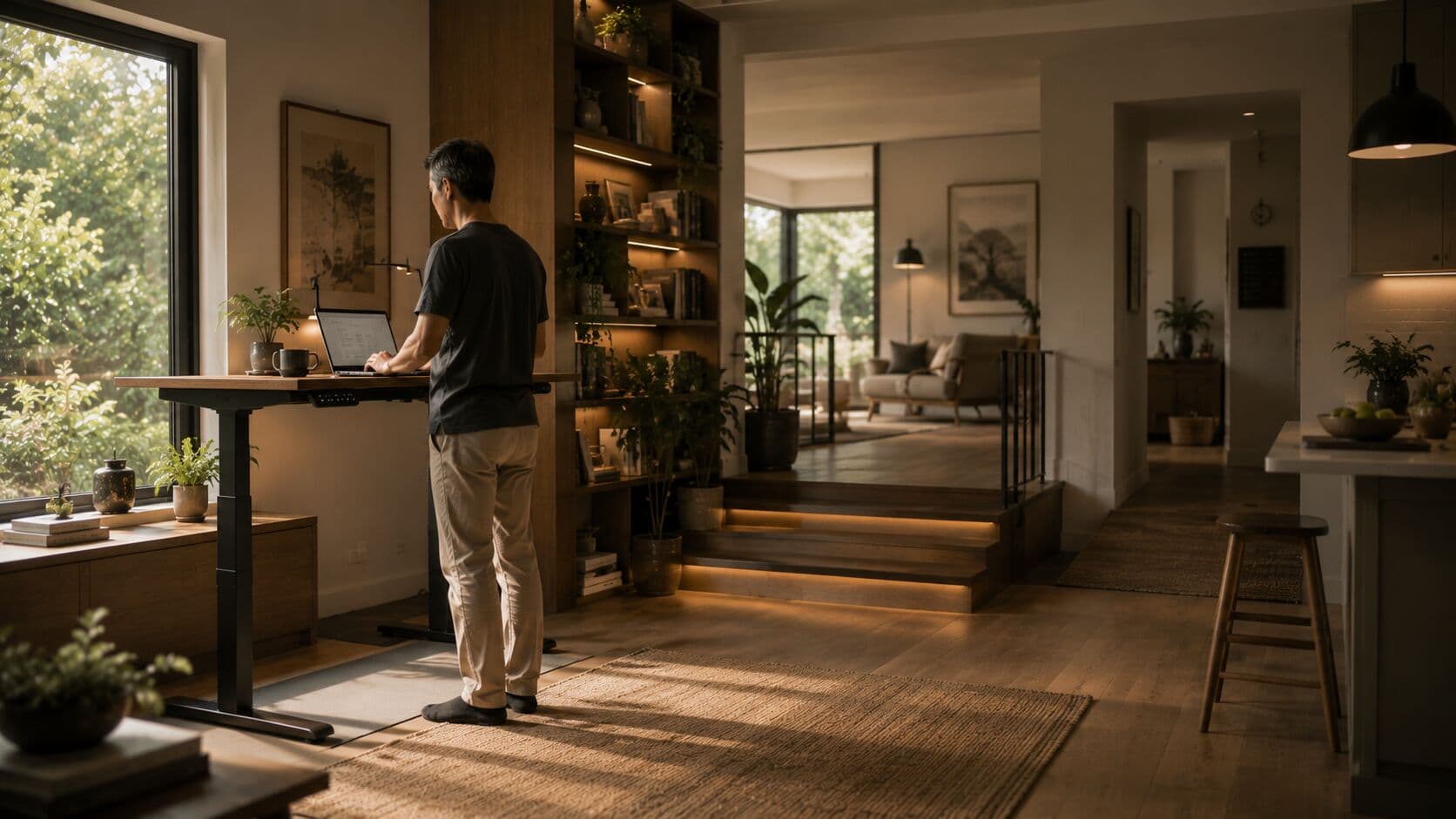
While design cannot treat or cure depression, research suggests that the physical environment can influence psychological wellbeing and play a supportive role in managing symptoms.
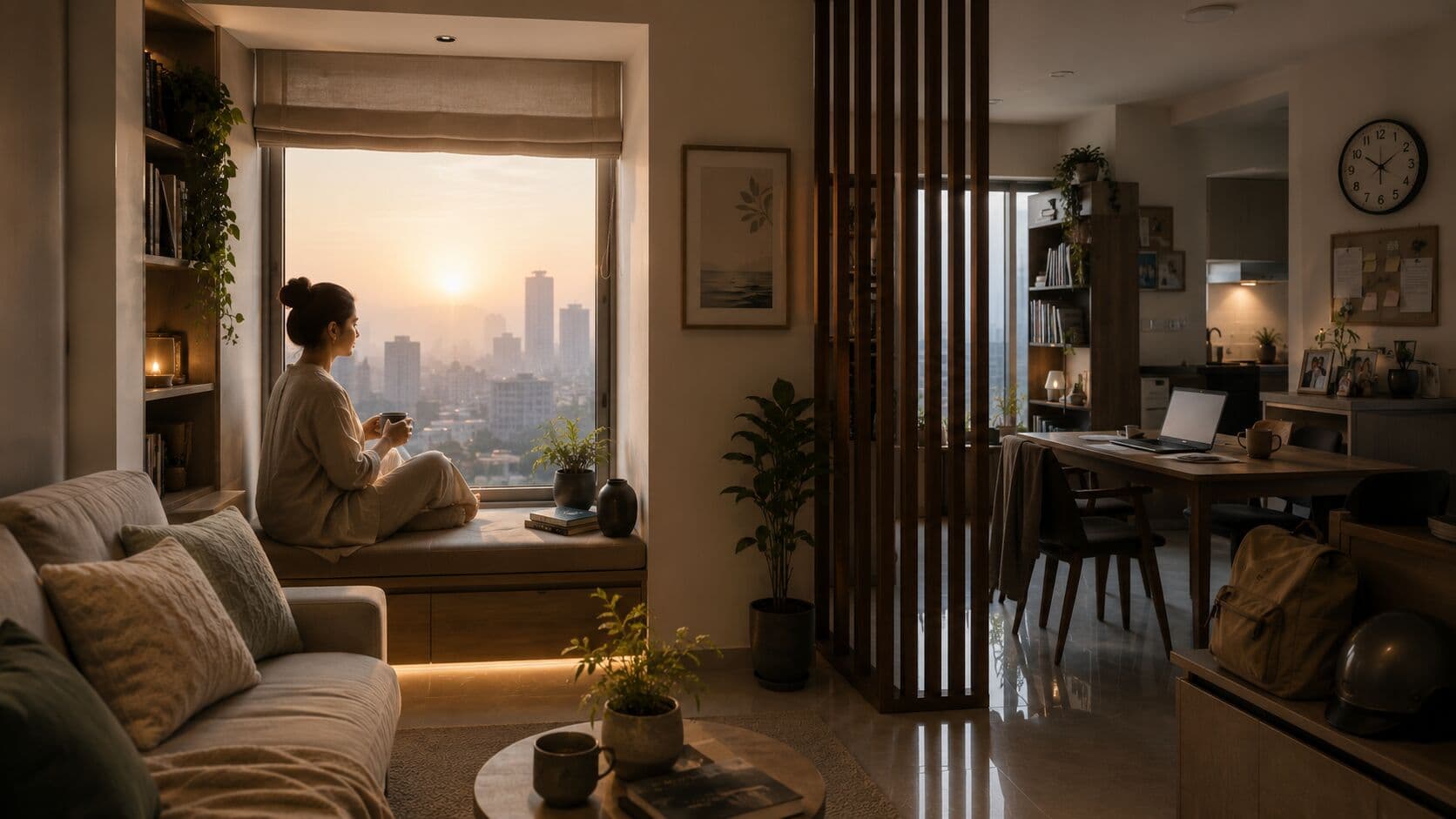
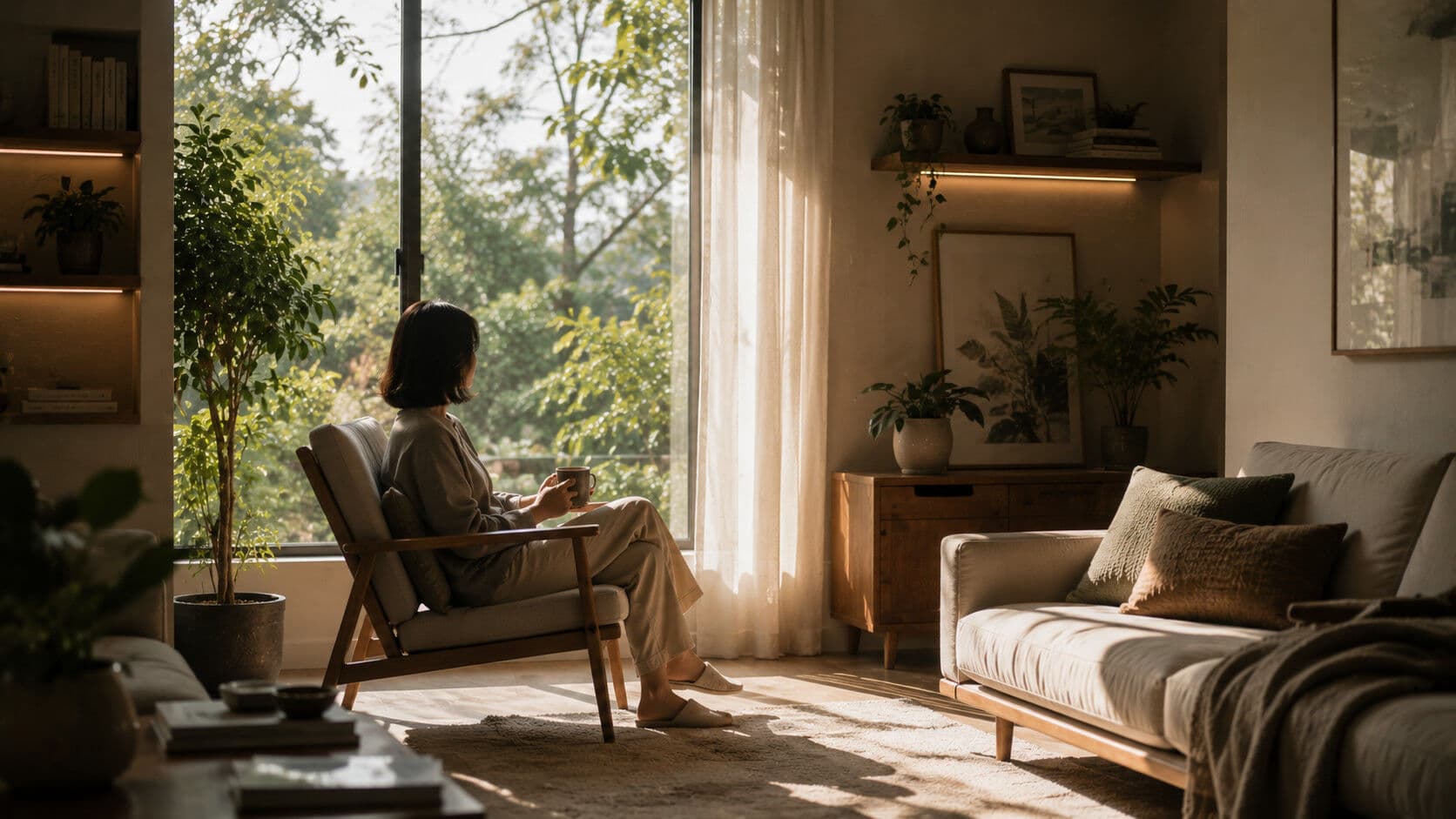
Studies have shown that access to natural light is linked to better mood regulation and reduced depressive symptoms, as it helps maintain healthy circadian rhythms (Golden et al., 2005). Similarly, views of nature and the presence of natural elements indoors have been associated with lower levels of depression and anxiety. A landmark study found that patients with a view of nature from their hospital window recovered faster and required less pain medication than those with a view of a brick wall (Ulrich, 1984). More recent research continues to support the positive impact of nature connection on mental health (White et al., 2019).
Another important factor is environmental control and order. Cluttered or chaotic spaces have been linked to increased feelings of stress and helplessness. Conversely, environments that feel orderly and allow individuals a sense of control over their immediate surroundings tend to support better emotional regulation (Evans & McCoy, 1998; Roster et al., 2016).
These findings suggest that thoughtful spatial interventions — such as improving access to natural light, creating calm and organised zones, incorporating natural elements, and designing spaces that offer a sense of personal control — can contribute to a more supportive living environment for those experiencing depression.
How Lucy Can Help
Lucy was created to help bridge the gap between how you feel and how your space supports you.
As your design assistant, she takes the time to understand your current emotional state, daily routines, and the specific challenges you face at home. She then suggests practical, realistic design changes that can make your living environment more supportive during difficult periods. These may include adjustments to lighting, layout, organisation, and the integration of natural elements — all aimed at reducing environmental stressors and enhancing comfort and control.
These are not clinical treatments. They are environmental adjustments that can work alongside professional mental health support, such as therapy or medication, to make daily life feel slightly more manageable.
Depression is a serious condition, and recovery often requires professional care. However, the spaces we live in can either add to the burden or offer quiet support. If you are struggling with depression and feel that your home could be more supportive, Lucy is here to help you explore thoughtful, practical changes — with care and without judgment.
Just say hello to Lucy whenever you're ready.
References
- Maletic, V., et al. (2007). Neurobiology of depression: An integrated view of key findings. International Journal of Clinical Practice.
- Drevets, W.C., et al. (2008). Brain structural and functional abnormalities in mood disorders. Biological Psychiatry.
- Golden, R.N., et al. (2005). The efficacy of light therapy in the treatment of mood disorders. American Journal of Psychiatry.
- Ulrich, R.S. (1984). View through a window may influence recovery from surgery. Science, 224(4647), 420–421.
- White, M.P., et al. (2019). Spending at least 120 minutes a week in nature is associated with good health and wellbeing. Scientific Reports.
- Evans, G.W. & McCoy, J.M. (1998). When buildings don't work: The role of architecture in human health. Journal of Environmental Psychology.
- Roster, C.A., Ferrari, J.R., & Jurkat, M.P. (2016). The dark side of home: Assessing possession attachment and satisfaction in clutter. Environment and Behavior.